Crypto guides
Explainers that build understanding and tutorials that walk you through each step.

Understanding and optimizing cryptocurrency transaction fees
How blockchain transaction fees are calculated on different networks, why they rise during congestion, and ways to lower them.

In-depth guide to NFT & digital collectible wallet
How to choose, set up, and back up NFT wallets, and how to guard against phishing, social engineering, and risky transaction signing.
Wallet Draining Attacks: How to Detect and Prevent Them
Describes how wallet draining attacks and malware work, the warning signs to look for, and steps to reduce the risk.

DeFi Wallet Connection Security Risks Explained
How to assess a DeFi protocol before connecting a wallet, recognize common attack types, and revoke token approvals.

How to create a multisig wallet for enhanced crypto security
Describes how multisig wallets split control across several keys, and how to set one up and manage it to reduce single points of failure.

Layer 2 Wallet Solutions for Faster, Cheaper Transactions
Unlock faster, cheaper crypto transactions with Layer 2 wallet solutions. This guide provides practical insights and strategic tools for navigating L2.

What are multisig wallets and how do they enhance crypto
How multisignature wallets require several keys to approve a transaction, how to set one up, and when shared control reduces single-key risk.

What is a multisig wallet and how does it improve crypto
Discover how multisig wallets fortify your crypto security by distributing control. Learn about its principles, applications, and how it prevents single points of failure.
How to Set Up a Multisig Crypto Wallet Step by Step
Set up a multisig crypto wallet step by step and understand how requiring several keys reduces the risk of a single lost or stolen key.
Multisig Wallet Explained: Multi-Signature Security
Explains how multisig wallets require several keys to approve a transaction, and how that reduces single points of failure.

Layer 2 Wallet Solutions: Scalability and Lower Fees
Tired of high fees and slow transactions? Discover how layer 2 wallet solutions offer scalability and cost-efficiency for smooth daily crypto use.

Understanding Layer 2 wallet solutions: A guide to faster
Learn to confidently choose, set up, and use Layer 2 crypto wallets. This guide covers L2 solutions like Lightning, Optimism, and Arbitrum for faster, cheaper transactions.
How to bridge crypto assets across different blockchains
Shows how to move crypto between blockchains using bridges, and which risks, such as hacks and lost funds, to check for first.
Exploring Cross-Chain DeFi Bridges and Their Risks
How cross-chain DeFi bridges are built, where their main security risks lie, and how to judge a bridge before using it.
How to Bridge Tokens Across Ethereum and Polygon
Steps for moving tokens between Ethereum and Polygon with a bridge, including how to choose one and what to watch for on fees and security.
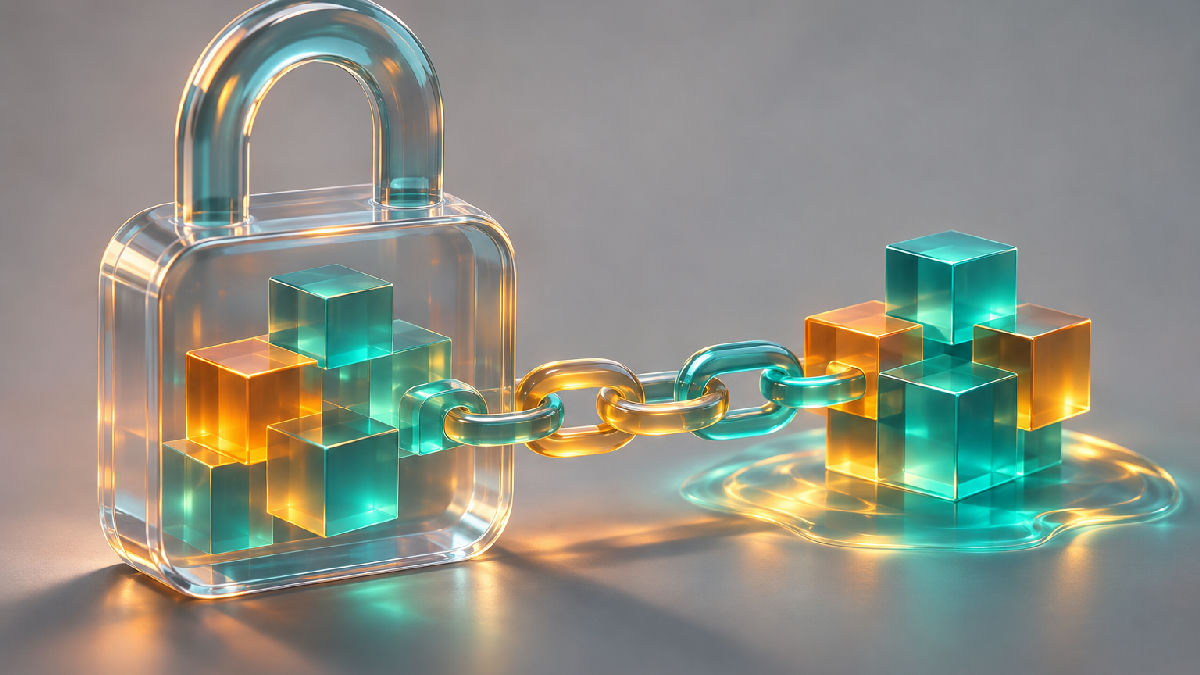
Lock-and-Mint vs Liquidity Pool Bridges: Understanding
Compare lock-and-mint and liquidity pool bridge security models to identify systemic attack vectors and mitigate cross-chain DeFi risk.

Governance Tokens and Their Impact on DAO Decision Making
Shows how governance tokens shape DAO decisions, how common voting systems compare, and where centralization and other risks appear.
DAO Governance Models Explained: How DAOs Work
Compares DAO governance models such as token-weighted, quadratic and conviction voting, with their trade-offs and risks.

Identifying and Mitigating Smart Contract Risks in DeFi
Explore common smart contract vulnerabilities in DeFi. Learn technical exploit mechanics, assess protocol risk, implement mitigation strategies, and perform pre-audit reviews.
How Do Different Consensus Mechanisms Secure Blockchains?
How major consensus mechanisms secure a blockchain, compared on security design, decentralization and long-term viability.

Understanding Byzantine Fault Tolerance in Distributed
Explains Byzantine Fault Tolerance, the main BFT algorithms, and how they are used in distributed systems and blockchains.

How to Read Blockchain Explorer Data Like a Pro
Shows how to read blockchain explorer pages, follow transaction flows, and understand common on-chain metrics.
A comprehensive guide to cryptocurrency risk management
Risk management methods for experienced crypto traders, including protecting capital, setting risk-reward ratios and keeping discipline.
Implementing effective risk management in DeFi protocols
How to assess and reduce common DeFi risks, including rug pulls, hacks and impermanent loss, when using protocols.