Crypto guides
Explainers that build understanding and tutorials that walk you through each step.
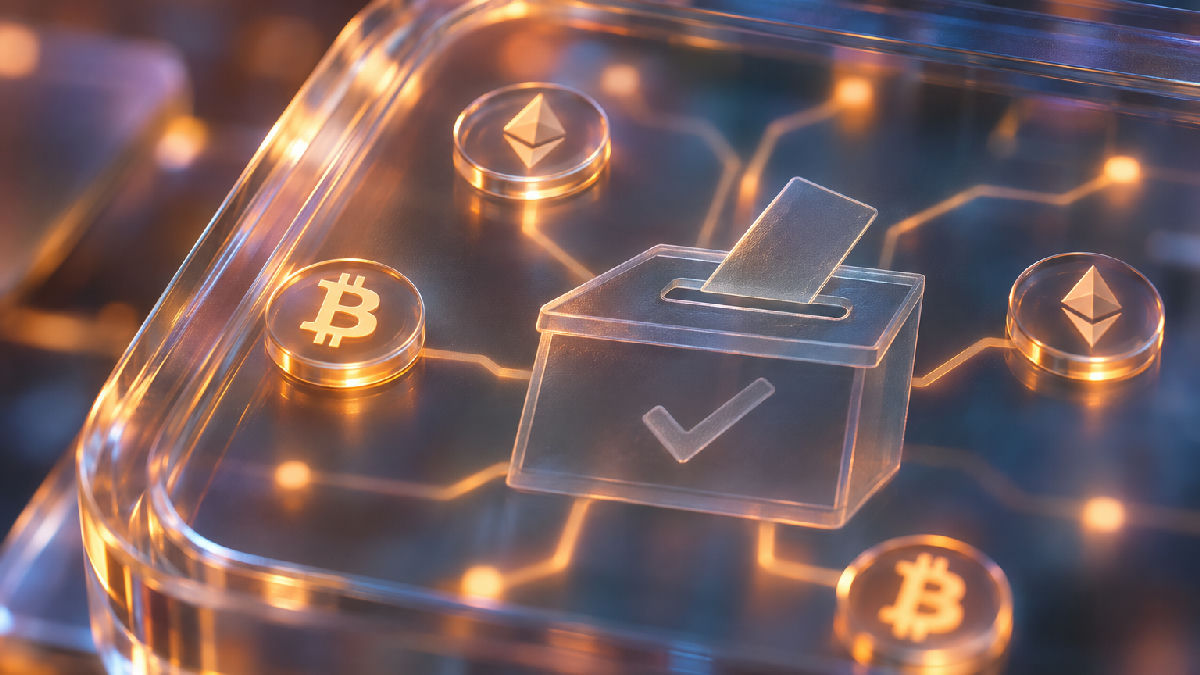
How to Participate in DAO Governance Voting
Describes how DAO governance voting works, how to read proposals, and the steps for casting a vote on the platforms DAOs use.

Understanding DAO Treasury Management
Outlines a step-by-step framework for managing a DAO treasury, covering how to protect assets and plan for long-term sustainability.

Snapshot vs On-Chain Voting in DAOs
How Snapshot off-chain voting and on-chain voting differ, with their trade-offs in security, efficiency and decentralization for a DAO.

Understanding On-Chain Metrics: Key Indicators for Crypto
Introduces key on-chain metrics, what each one measures, and how analysts read blockchain data when assessing the market.

Understanding MVRV Ratio for Market Cycle Analysis
Feeling lost in crypto? The MVRV Ratio is your compass. Learn how this on-chain metric helps navigate market cycles and make data-driven decisions.

Interpreting Ethereum Gas Trends for Market Insights
How to read Ethereum gas fee patterns, factor in outside influences, and use them to time trades and decisions about dApp use.
Understanding the Legal and Tax Implications of NFT Sales
How NFT sales and transactions are treated for tax and legal purposes, including ownership rights, and what creators and collectors may owe.
NFT Intellectual Property Rights: A Guide for Creators
How NFT ownership differs from owning the intellectual property, and how licenses and contract terms shape what creators and buyers can do.

What are DeFi aggregators and how do they optimize yields?
How DeFi yield aggregators automate strategies across protocols, and how that can affect gas costs, capital efficiency and the yields available.
How to Track Smart Money and Whale Wallets in the NFT Market
Shows how to use on-chain data to spot NFT whale accumulation, follow smart money wallets, and recognize exit liquidity traps.
DeFi Insurance Protocols: Protecting Your Assets Against
What DeFi insurance covers, how smart contract cover is bought and claimed, and what to compare when choosing a protocol.
Understanding and Using Synthetic Assets in Decentralized
Explains what synthetic assets are in DeFi, how they work, the main types, and the risks of trading them.
How to Set Up a Decoy Crypto Wallet and Duress PIN
Protect your digital assets at borders using a decoy crypto wallet and duress PIN strategy for total plausible deniability.
How to Verify DeFi Front-Ends and Avoid DNS Hijack Attacks
Learn how to inspect IPFS hashes, verify DeFi front ends, and avoid DNS hijack attacks to keep your crypto assets safe.
How to securely interact with NFTs using a hardware wallet
Shows how to use a hardware wallet with NFTs, including verifying transactions on the device and spotting phishing and malicious contracts.

HD Wallets and Derivation Paths Explained
Explains hierarchical deterministic wallets and derivation paths such as m/44'/0'/0'/0/0, and the BIP32, BIP39 and BIP44 standards behind them.

Multi-Signature Wallet Security: How to Use Multisig
Explains how multi-signature wallets require several keys to approve a transaction, and how to set up and manage one.
CEX vs DEX Wallet Choice: How to Pick the Right Wallet
The differences between centralized and decentralized exchange wallets, how to choose between them, and the security habits for using both.

Integrating Your Self-Custody Wallet with Decentralized
How to connect a self-custody wallet to DAOs for voting and governance, with the security practices that reduce the risk of losing assets.

Exploring advanced features in crypto wallets for enhanced
How multi-signature wallets, timelocks, and advanced cold storage work, and how experienced users can apply them to larger holdings.

Setting Up and Using a Multi-Signature (Multisig) Crypto
Explains how multi-signature wallets split control of crypto across several keys, and how to set one up and use it.
HD Wallets and Seed Phrases Explained
Shows how one seed phrase can generate many wallet addresses, and how the BIP32, BIP39 and BIP44 standards make this work.

Understanding Layer 2 wallet solutions and their security
How security on Layer 2 networks differs from Layer 1, and how to evaluate, choose and manage Layer 2 assets with those risks in mind.

Comparing hardware wallets for advanced security features
A technical comparison of hardware wallet security, covering secure elements, firmware and other protections, for experienced crypto users.