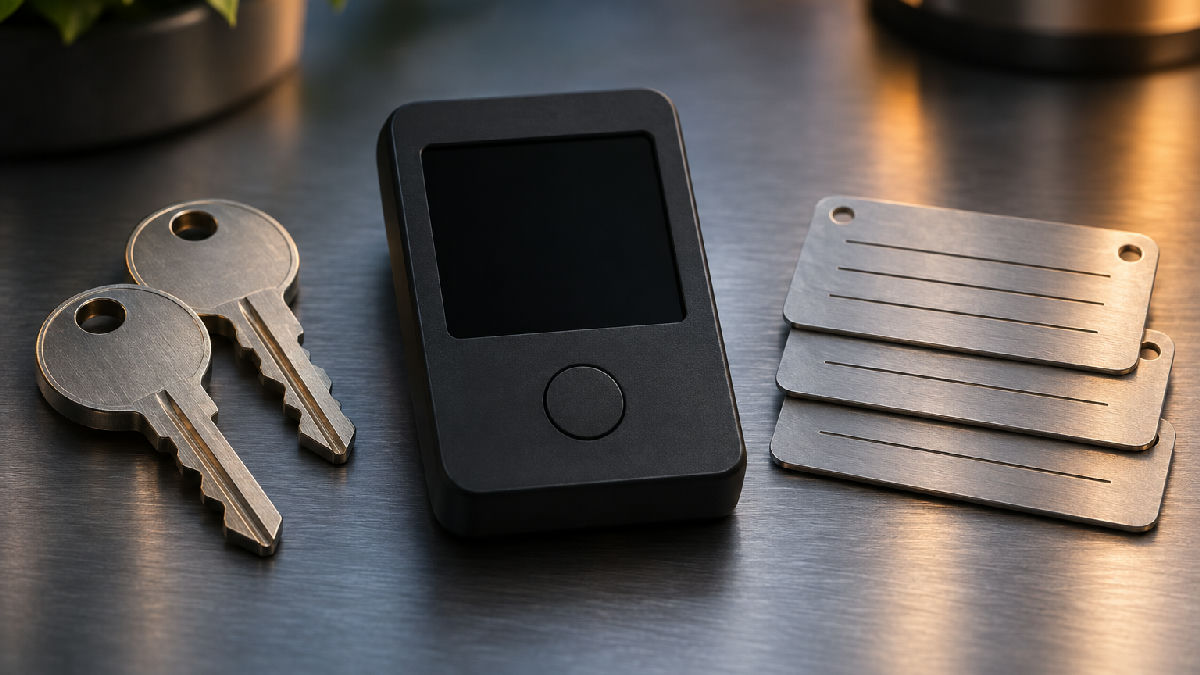
Are you an advanced crypto holder, keenly aware of the lurking threats to your substantial digital assets? The nightmare of a single point of failure – a lost private key, a compromised device, or a malicious actor – can keep even the most seasoned investor awake at night. You've worked hard to accumulate your wealth, and now you demand a security solution as sophisticated and robust as your portfolio. This guide is your blueprint to achieving ultimate peace of mind, shared control, and unparalleled protection for your most valuable digital holdings through the power of multisignature wallets.
Traditional wallets, relying on a single private key, present a significant vulnerability for managing substantial or shared funds. Multisignature (multisig) technology offers a powerful alternative, transforming a singular point of failure into a collaborative security model. This guide will demystify multisig wallets, explaining their core mechanics, practical applications, and step-by-step setup, empowering you to implement this advanced security solution with confidence.
📋 What You'll Learn
- Articulate the core benefits and drawbacks of multisig wallets for various use cases.
- Confidently choose an appropriate multisig wallet solution based on your specific security needs and risk tolerance.
- Successfully set up and configure a chosen multisig wallet with a clear understanding of key parameters (e.g., M-of-N signatures).
- Implement best practices for multisig wallet management, key storage, and emergency protocols.
- Troubleshoot common issues and avoid critical pitfalls associated with multisig.
- Educate others on the principles of multisignature security.
⏱️ Estimated Time: 45 minutes
📊 Difficulty: Advanced
The Vulnerability of Unshared Control: Why Traditional Wallets Fall Short for Significant Funds
For advanced crypto users managing substantial assets, the security model of a standard single-signature wallet can be a source of constant anxiety. These wallets rely on a single private key to authorize transactions. While convenient for individual use and smaller holdings, this single point of control introduces significant risks. The loss, theft, or accidental destruction of this single private key means instant, irreversible loss of all associated funds.
The burden of being the sole guardian of significant crypto holdings can be immense. Imagine the pressure of safeguarding millions in digital assets, knowing that a single mistake, a sophisticated hack, or even a personal emergency could jeopardize everything. This vulnerability highlights a critical need for shared responsibility and redundancy in asset management.
This is where the concept of a "digital safe deposit box" comes into play. Just as a traditional safe deposit box might require multiple keys held by different individuals, a robust crypto security solution should ideally distribute control, ensuring no single entity can access funds unilaterally. This approach mitigates the catastrophic impact of a single point of failure, offering a foundational shift towards enhanced security for shared or substantial crypto portfolios.
What is a Multisig Wallet? Unlocking Collaborative Security
A multisig wallet, short for multisignature wallet, is a type of cryptocurrency wallet that requires multiple private keys to authorize a transaction. Instead of a single key, funds held in a multisig wallet can only be moved if a predefined number of signatures from different private keys are collected.
The core principle of multisig is represented by an "M-of-N" configuration. Here, 'N' represents the total number of private keys associated with the wallet, and 'M' is the minimum number of those keys required to sign a transaction. For example, a 2-of-3 multisig wallet would have three associated private keys, but any two of those three keys would be sufficient to approve and execute a transaction. Similarly, a 3-of-5 multisig would require three out of five keys.
Visually, consider a multisig wallet as a "vault with multiple keys." Each key holder represents a signatory, and the vault can only be opened (funds moved) when the required number of keys are turned simultaneously. This setup ensures that no single individual or entity has unilateral control over the funds, fostering a model of collaborative security.
At a high level, the process works as follows:
- Transaction Initiation: A key holder proposes a transaction (e.g., sending funds to another address).
- Signature Collection: The proposed transaction is then sent to other required key holders for their cryptographic signatures.
- Transaction Broadcast: Once the necessary 'M' signatures are collected, the fully signed transaction is broadcast to the blockchain for validation and execution.
This system vastly improves security by distributing trust and removing the single point of failure inherent in traditional wallets. You can learn more about how different types of wallets function by exploring advanced features in crypto wallets.
The Unbeatable Advantages of Multisig: Secure Your Shared Future
Multisig wallets offer a powerful suite of benefits that significantly enhance the security and management of digital assets, especially for shared or substantial holdings. They enable users to "create a multi-signature wallet for enhanced security and shared control" through several key advantages:
- Enhanced Security: Protection Against Single Points of Failure: Multisig fundamentally addresses the risk of a single private key compromise. If one key is lost, stolen, or compromised, the funds remain secure as long as the minimum number of remaining keys can still authorize transactions. This protects against scenarios like a hacked device, a sophisticated phishing attack, or coercion against a single individual. For a broader understanding of wallet threats, consider reviewing our guide on understanding and preventing wallet draining attacks and malware.
- Shared Control & Distributed Trust: Multisig is ideal for situations requiring joint financial responsibility. This includes business treasuries, DAO funds, family inheritance, joint investments, or partnerships. It acts like a "legal contract with multiple signers," ensuring that no single person can unilaterally move funds. This prevents insider theft and demands consensus for major financial decisions.
- Operational Resilience: The redundancy built into multisig configurations means that if one signatory becomes unavailable (due to travel, illness, or technical issues), operations can continue without interruption, provided enough other signatories are present to meet the 'M' threshold.
- Reduced Internal Risk: For organizations, multisig eliminates the risk of a rogue employee or disgruntled partner absconding with company funds. Every transaction requires approval from multiple, trusted parties, creating an internal system of checks and balances.
- Emergency Preparedness & Social Recovery: Multisig setups facilitate sophisticated social recovery mechanisms. Should a primary key be irrevocably lost, other trusted key holders can come together to recover or transfer funds, preventing permanent loss. This is a crucial distinction from single-signature wallets where key loss typically means fund loss.
By leveraging these advantages, multisig wallets empower users to secure their shared future in the volatile crypto landscape, moving beyond basic wallet security to a truly robust framework. For further reading on setting up enhanced security, see guides like "How to set up a multi-signature wallet for enhanced crypto security."
Potential Drawbacks & Considerations: The Other Side of the Vault
While multisig wallets offer unparalleled security benefits, they also introduce certain complexities and potential challenges that users must understand before implementation:
- Increased Complexity in Setup and Management: Setting up a multisig wallet is more involved than a standard single-signature wallet. It requires careful planning of the M-of-N configuration, secure generation and distribution of multiple private keys, and coordination among signatories. Ongoing management also demands a higher level of organization and diligence.
- Potential for Slower Transaction Approvals: Transactions initiated from a multisig wallet require multiple signatures. This means that funds cannot be moved instantly by a single person. Depending on the availability and responsiveness of the key holders, approving a transaction can take time, which might be a disadvantage in fast-moving market conditions or urgent situations.
- Risk of Losing Too Many Keys: While multisig protects against the loss of a single key, it introduces a new risk: losing too many keys. If, in a 2-of-3 setup, two out of the three keys are permanently lost or compromised, the remaining single key cannot reach the 'M' threshold, rendering the funds inaccessible. This is often referred to as the "unspendable funds" trap.
- Higher Transaction Fees: Multisig transactions are typically larger in data size compared to single-signature transactions because they embed multiple cryptographic signatures. This increased data size often translates to slightly higher transaction fees on the blockchain, particularly on networks with variable gas fees.
- Key Management Burden: The need to generate, store, and manage multiple private keys securely adds a significant burden. Each key must be protected against theft, loss, and damage, ideally using diverse methods and locations to prevent correlation.
Understanding these drawbacks is crucial for a successful multisig implementation. Proper planning, communication, and adherence to best practices can mitigate many of these challenges. For insights into managing transactions generally, refer to our comprehensive guide on mastering crypto wallet transactions.
Choosing Your Multisig Solution: A Decision Tree for Digital Architects
Selecting the right multisig solution depends heavily on your specific security requirements, technical comfort, and the nature of the assets you're protecting. Think of yourself as a digital architect, designing the most secure vault for your needs. Here's a breakdown of common types and factors to consider:
Interactive Decision Tree: Guiding Your Choice
Consider these questions to narrow down your options:
- How technically comfortable are you and your co-signatories? (High, Medium, Low)
- What type of assets are you securing? (Bitcoin, Ethereum/EVM tokens, specific altcoins like FIL or ADA)
- What is your budget for hardware/software? (Free/Open Source, Moderate, High)
- How many signatories will be involved? (2-3, 3-5, 5+)
- What is your priority: maximum decentralization/control, or ease of use?
Types of Multisig Solutions:
- Software Multisig Wallets:
- Description: These are applications running on your computer or mobile device that facilitate multisig transactions. They generate and manage keys locally.
- Examples: Electrum (for Bitcoin, Filecoin uses ECDSA signatures but has its own wallet solutions), Specter Desktop.
- Pros: Generally free, high degree of control, good for advanced users.
- Cons: Susceptible to malware on the device, requires careful key management, steeper learning curve.
- Hardware Multisig Wallets:
- Description: Combines the security of hardware wallets with multisig functionality. Each signatory uses their own hardware device (e.g., Ledger, Trezor, Coldcard) to sign their part of the transaction.
- Examples: Coldcard (highly specialized for Bitcoin), Ledger/Trezor often integrate with software wallets (like Electrum or Specter Desktop) to achieve multisig.
- Pros: Extremely high security as private keys never leave the hardware device. Excellent for cold storage. Check our guide on comparing hardware wallets for advanced security features.
- Cons: Can be costly (each signatory needs a device), more complex setup, requires physical coordination.
- Smart Contract-Based Multisig:
- Description: These multisig wallets are deployed as smart contracts on EVM-compatible blockchains (like Ethereum, Arbitrum One, Moonbeam). The smart contract itself enforces the M-of-N rule.
- Examples: Gnosis Safe (now Safe) is a prominent example, supporting Ethereum and various EVM chains. It uses Solidity for smart contracts, as does Moonbeam.
- Pros: Highly flexible, robust, often integrates with dApps, supports various tokens, can implement advanced logic (e.g., timelocks).
- Cons: Requires understanding of smart contract risks, gas fees apply to setup and transactions, tied to specific blockchain ecosystems. For instance, Arbitrum One has a total supply of 10,000,000,000 tokens and uses Ethereum as its settlement layer.
- Custodial Multisig Services:
- Description: Third-party services that manage keys and multisig operations on your behalf.
- Pros: Easiest to use, low technical barrier.
- Cons: Introduces third-party risk (you trust the custodian), not truly self-custodial, can be expensive.
Factors to Consider:
- Security Requirements: How critical is the asset? What level of protection against insider threats or external hacks is needed?
- Technical Comfort: Are you comfortable with command-line interfaces, hardware device intricacies, or smart contract interactions?
- Asset Type: Certain multisig solutions are blockchain-specific (e.g., Electrum for Bitcoin, Gnosis Safe for EVM chains like Arbitrum One). Others, like Ambire Wallet, support multiple chains.
- Budget: Hardware wallets and smart contract deployments incur costs.
- Number of Signatories: A 2-of-2 setup is good for couples, while a 3-of-5 might be better for a small business or DAO.
Carefully evaluate these points to choose the multisig solution that best aligns with your "Secure Your Shared Future" strategy. This decision forms the bedrock of your advanced security setup. You can find more details on general wallet types and features in our guide Setting Up and Using a Multi-Signature (Multisig) Crypto.
Blueprint for Implementation: Setting Up Your Multisig Vault (Step-by-Step)
Let's walk through a practical implementation using Gnosis Safe (now Safe), a popular smart contract-based multisig solution, ideal for Ethereum and EVM-compatible networks. For example, Moonbeam, with its EVM virtual machine, supports smart contracts written in Solidity, making it compatible with solutions like Gnosis Safe.
Step 1: Define Your M-of-N Threshold
This is arguably the most critical decision. 'M' is the minimum number of signatures required, and 'N' is the total number of owners.
- 2-of-3: A common and balanced choice. Requires two owners to sign, but allows one owner to be unavailable or lost without losing funds. Good for couples, small teams.
- 3-of-5: Provides greater decentralization and resilience. Ideal for small to medium-sized organizations or family inheritance planning. Requires strong coordination.
- Why it matters:
- Too low an 'M' (e.g., 1-of-N) defeats the purpose of multisig.
- Too high an 'M' (e.g., N-of-N) makes key loss catastrophic and transactions difficult.
Decision: For this example, let's assume a 2-of-3 setup for a joint investment portfolio.
Step 2: Choose Your Signatories and Key Holders
Identify the individuals who will hold the private keys ('N' owners). These should be trusted parties who understand their responsibilities. For our 2-of-3 example, these would be three distinct individuals.
- Who: Person A, Person B, Person C.
- Why: Distributes risk, requires consensus, provides redundancy.
Step 3: Select Your Preferred Multisig Platform(s)
We will focus on Gnosis Safe for its widespread adoption and robust features on EVM chains. Gnosis Safe acts as a multi-signature wallet for enhanced security on networks like Ethereum and Arbitrum One.
Step 4: Generate and Secure Your Private Keys
Each signatory (Person A, B, C) needs their own secure private key, ideally stored on a hardware wallet.
- Hardware Wallet (Recommended): Each person should use a separate hardware wallet (e.g., Ledger, Trezor) to generate a new private key and seed phrase. This is crucial for offline key storage.
- Backup Seed Phrases: Each person must meticulously back up their hardware wallet's seed phrase in multiple secure, geographically separated locations. This is their individual recovery mechanism, separate from the multisig setup itself.
- Security: Emphasize that these private keys are *personal* and should never be shared, even with other signatories.
Step 5: Wallet Creation and Configuration (Using Gnosis Safe)
Here's a detailed walkthrough for setting up a Gnosis Safe:
- Access Gnosis Safe: Go to the official Safe (formerly Gnosis Safe) web interface.
- Connect Wallet: Connect your personal wallet (e.g., MetaMask, which is connected to Person A's hardware wallet) to the Safe app. This personal wallet will be the initiator for creating the Safe.
- Create New Safe: Click on "Create new Safe."
- Choose Network: Select the desired network (e.g., Ethereum Mainnet, Arbitrum One, Moonbeam). Remember, Moonbeam uses Solidity for smart contracts and an EVM.
- Name Your Safe: Give your Safe a descriptive name (e.g., "Joint Investment Fund," "DAO Treasury").
- Add Owners: This is where you specify your 'N' key holders.
- Add the wallet addresses of Person A, Person B, and Person C. Ensure these are the public addresses of their primary wallets (ideally hardware wallet-connected ones).
- Double-check every address for accuracy. A single incorrect character can lead to irretrievable funds.
- Set Threshold (M-of-N): Configure the 'M' value. For our example, set "Confirmations required" to '2'. This makes it a 2-of-3 multisig.
- Review and Create: Carefully review all settings. The Safe will inform you of the estimated network transaction fee (gas fee) to deploy the smart contract.
- Confirm Transaction: Confirm the transaction with your connected wallet (Person A's wallet). This deploys the Safe smart contract to the blockchain.
- Wait for Confirmation: The deployment may take a few minutes depending on network congestion. Once confirmed, your multisig Safe is live.
Step 6: Conduct Test Transactions
Before transferring substantial funds, it's vital to test your multisig setup thoroughly.
- Send Small Amount: Send a very small amount of cryptocurrency (e.g., $5 worth of ETH) to your new Safe address. Confirm it arrives.
- Initiate Test Withdrawal:
- Person A (or any owner) initiates a transaction from the Safe to an external address (e.g., a personal wallet).
- This transaction will appear as "needs confirmation" in the Safe interface.
- Collect Signatures:
- Person B (or another required signatory) logs into the Safe app with their connected wallet.
- They will see the pending transaction and "Confirm" it with their wallet (e.g., sign with their hardware device).
- Once 'M' signatures are collected (in our 2-of-3 case, one more signature), the transaction will execute.
- Verify Transaction: Confirm the small amount was successfully sent out of the Safe to the intended external address. This validates your M-of-N setup.
Conditional Path: Setting up an Electrum Multisig (for Bitcoin)
If your primary asset is Bitcoin, Electrum offers a robust desktop-based software multisig solution. It's often used with hardware wallets for enhanced security.
- Download Electrum: Download the official Electrum wallet from their website (electrum.org).
- Create New Wallet: Select "Standard wallet" -> "Multisignature wallet".
- Set M-of-N: Choose your 'M' (e.g., 2) and 'N' (e.g., 3).
- Add Co-signers:
- For each co-signer, you'll either import their master public key (xpub) or connect their hardware wallet (if they are physically present or via a secure remote connection).
- Each co-signer will need to follow steps to export their xpub or interact with their hardware wallet.
- Wallet Seed: Generate a seed phrase for the multisig wallet itself. This is distinct from individual hardware wallet seeds and is used for recovery of the multisig setup, not the funds directly. Store this securely.
- Backup Wallet File: Backup the generated Electrum wallet file. This file (which doesn't contain private keys but holds the multisig configuration) should be distributed among co-signers.
- Test Transactions: Similar to Gnosis Safe, conduct small test transactions to ensure all co-signers can successfully sign and broadcast.
This hands-on approach ensures you understand the nuances of managing your "digital fortress" before committing significant assets.
Mastering Your Multisig: Best Practices for Ongoing Management and Security
Setting up a multisig wallet is only the first step. Effective ongoing management and adherence to best practices are crucial for maintaining the integrity and security of your digital assets. This ensures your "vault with multiple keys" remains impenetrable:
- Key Storage & Distribution:
- Geographical Separation: Do not store all keys in the same physical location. Distribute them across different cities, countries, or even continents to protect against localized disasters or single-point physical breaches.
- Diverse Storage Methods: Combine storage methods. For instance, one key on a hardware wallet, another on a different model of hardware wallet, and a third perhaps on a securely air-gapped computer or encrypted USB.
- Hardware Security Modules (HSMs): For institutional setups, consider using dedicated HSMs for ultra-secure key generation and storage.
- No Single Person Holds All Keys: The fundamental rule of multisig. Ensure no individual ever has access to enough keys to meet the 'M' threshold on their own.
- Regular Audits & Reviews:
- Periodic Health Checks: Periodically (e.g., quarterly or bi-annually), conduct small test transactions. This verifies that all keys are operational, hardware wallets are functioning, and signatories remember their processes.
- Access Reviews: Regularly review who has access to which key and ensure these roles are still appropriate and secure.
- Software Updates: Keep all wallet software (e.g., Electrum, Safe app) and hardware wallet firmware up-to-date to patch vulnerabilities.
- Emergency Protocols & Succession Planning:
- Defined Procedures: Establish clear, documented procedures for what happens if a signatory becomes incapacitated, passes away, or leaves the organization. This plan should include how new keys are generated, added, or revoked.
- Legal Agreements: For shared funds, consider formal legal agreements outlining the responsibilities, access protocols, and succession plans for each key holder.
- Social Recovery Strategies:
- Leverage the distributed nature of multisig for social recovery. If a signatory loses their key, others can facilitate its replacement by adding a new key and then removing the old, lost one. This is a powerful feature that mitigates personal key loss.
- Transaction Workflow Optimization:
- Clear Communication Channels: Establish secure and reliable communication channels among signatories for coordinating transaction approvals.
- Batching Transactions: Where possible, batch multiple smaller transactions into one larger multisig transaction to save on fees and streamline approval processes.
- Staying Vigilant:
- Phishing Awareness: Educate all signatories about phishing attacks, malware, and social engineering attempts. Each key holder is a potential vector for compromise. For more on this, check our guide on how to secure your crypto wallet from phishing and malware.
- Transaction Alerts: Set up transaction alerts for your multisig wallet to be notified of any activity. Our guide on how to set up transaction alerts and notifications for your crypto wallet can be very helpful.
By integrating these practices, you can ensure your multisig wallet provides not just initial security, but sustained, resilient protection for your assets.
Troubleshooting Common Multisig Hurdles & Avoiding Critical Pitfalls
Even with the best planning, multisig setups can encounter issues. Understanding common hurdles and critical pitfalls can help you navigate challenges and prevent catastrophic mistakes:
- Lost Key Scenarios:
- What to do if one key is lost (within M-of-N tolerance): If you have a 2-of-3 setup and one key is lost, the remaining two keys can still sign transactions. Immediately coordinate with the remaining signatories to initiate a transaction to an entirely new multisig wallet (or a temporary address). Then, configure a new multisig wallet, replacing the lost key with a newly generated one.
- Critical Pitfall: Losing too many keys: If 'M' or more keys are lost, funds become permanently inaccessible. This is the ultimate "unspendable funds" trap. This emphasizes the need for redundant backups of *each* individual key and careful M-of-N planning.
- Coordination Challenges:
- Problem: Getting all required signatories to approve a transaction in a timely manner. This can be exacerbated by different time zones, busy schedules, or lack of clear communication.
- Solution: Establish clear communication protocols and designate a primary transaction initiator. Use tools that provide clear notifications for pending transactions. Agree on a realistic timeframe for approvals.
- Software Compatibility Issues:
- Problem: Different signatories using outdated wallet software or incompatible versions can lead to signature failures or transaction errors.
- Solution: Ensure all participants use the recommended and latest stable versions of the multisig wallet software (e.g., Safe app, Electrum). Verify compatibility before urgent transactions.
- Transaction Broadcasting Errors:
- Problem: A fully signed transaction might fail to broadcast or get stuck due to network congestion, insufficient gas fees, or node issues.
- Solution: On EVM chains, ensure adequate gas fees are set. On Bitcoin, understand fee markets. Most wallets allow you to resend or bump fees if a transaction is pending. Learn more about navigating crypto transactions safely.
- The "Unspendable Funds" Trap:
- This is the most severe pitfall. It occurs when you lose access to 'M' or more keys required to sign transactions. Because there's no central authority to appeal to, the funds are effectively locked forever on the blockchain.
- Prevention: Diligent key backup strategies, geographical distribution, regular testing, and clear succession planning are your only defenses.
Proactive planning and understanding these potential issues are paramount to successful and secure multisig wallet operation.
Conclusion: Embrace a Future of Collective Financial Sovereignty
Multisignature wallets represent a paradigm shift in how we approach the security and management of digital assets. They transform the inherent vulnerability of single-point-of-failure systems into a resilient, collaborative model. By implementing an M-of-N setup, you move beyond the anxiety of individual error or singular compromise, creating a robust "digital safe deposit box" that demands consensus for asset movement.
This guide has walked you through the journey from understanding the limitations of traditional wallets to mastering the benefits and practical implementation of multisig technology. You now possess the knowledge to choose the right solution, configure your vault with precision, and manage it with best practices that ensure long-term security.
Embrace this powerful tool to secure your shared future, whether it's for joint investments, family inheritance, or organizational treasuries. Take control, distribute trust, and unlock true peace of mind. Start securing your shared assets with multisig today and build a more secure and resilient financial future.
⚠️ Common Mistakes to Avoid
- Underestimating Complexity: Not fully understanding the setup and ongoing management requirements before deploying a multisig.
- Poor Key Distribution: Storing too many keys in a single location or under the control of a single person.
- Neglecting Backups: Failing to securely back up individual private keys (seed phrases) for each signatory, and the multisig configuration file itself.
- Insufficient Testing: Not conducting thorough test transactions with small amounts before moving significant funds.
- Ignoring Succession Planning: Lacking clear protocols for what happens if a key holder becomes unavailable.
- Using Weak Passwords/Security for Keys: Relying on easily guessable passwords or insecure storage methods for individual keys, even if they are part of a multisig.
- Misunderstanding 'M-of-N': Choosing an 'M' or 'N' that doesn't appropriately balance security, redundancy, and ease of transaction.
Frequently Asked Questions
What is the difference between M-of-N and N-of-N multisig?
M-of-N multisig means 'M' signatures are required out of a total of 'N' possible keys (e.g., 2-of-3). N-of-N multisig is a specific type of M-of-N where *all* 'N' keys are required (e.g., 3-of-3). N-of-N offers maximum security but has no redundancy; losing even one key makes funds irretrievable.
Can I use different hardware wallets for the same multisig setup?
Yes, absolutely. In fact, using different brands or models of hardware wallets (e.g., Ledger and Trezor) for different signatories can add an extra layer of security by diversifying against potential vulnerabilities in a single hardware wallet vendor.
What happens if one of my signatories dies or becomes unreachable?
If your M-of-N setup still allows you to reach the 'M' threshold with the remaining active signatories (e.g., in a 2-of-3, one person becomes unreachable, but the other two can still sign), you can create a new multisig wallet. Then, transfer the funds from the old multisig to the new one, replacing the unreachable signatory with a new, accessible key. This is a form of social recovery. If too many signatories become unreachable and you cannot meet the 'M' threshold, the funds may become permanently inaccessible.
Is multisig only for Bitcoin, or can it be used with other cryptocurrencies?
Multisig is not limited to Bitcoin. While it originated with Bitcoin (which uses ECDSA signatures, similar to Filecoin), it has evolved to support many other cryptocurrencies. Smart contract-based multisig solutions, like Gnosis Safe, are widely used on Ethereum and EVM-compatible blockchains (e.g., Arbitrum One, Moonbeam), supporting various tokens and even other chains like Aleph Zero (which uses Rust and ink! for smart contracts). Other chains like Cardano (which uses proof-of-stake consensus) and Dogecoin (which uses Proof of Work and Scrypt hashing) may have their own specific multisig implementations or wallet support.
How do I recover funds if I lose one of my multisig keys?
If you lose one of your keys but still have enough remaining keys to meet the 'M' threshold, you can initiate a transaction to send funds to a *new* multisig wallet setup. In this new setup, you would replace the lost key with a new one generated by a new signatory or device. This effectively "recovers" the funds by moving them to a secure, active multisig. The individual seed phrase for the lost key cannot recover the multisig wallet itself, only that specific key.
What are the transaction fees like for multisig wallets?
Multisig transactions typically incur slightly higher transaction fees compared to single-signature transactions. This is because multisig transactions are generally larger in data size due to the inclusion of multiple cryptographic signatures, requiring more block space. The exact fee depends on the blockchain network's current congestion and its fee model (e.g., Filecoin uses Gas Fees, and a BaseFee is burnt for every message).
Can a multisig wallet be hacked if one key is compromised?
One of the primary benefits of a multisig wallet is protection against a single key compromise. If one key is compromised, the multisig wallet remains secure as long as the compromised key cannot, by itself, meet the 'M' threshold required for a transaction. For example, in a 2-of-3 setup, if one key is compromised, an attacker cannot move funds because they still need a second signature. However, if 'M' or more keys are compromised, the funds are at risk.
What's the best M-of-N configuration for a family inheritance scenario?
For a family inheritance, a 2-of-3 or 3-of-5 setup is often recommended.
- 2-of-3: Involves three trusted family members, requiring any two to act. This provides good redundancy if one person is unavailable.
- 3-of-5: Involves five trusted family members, requiring any three. This offers even greater distribution of trust and resilience against multiple points of failure, suitable for larger or more complex inheritance structures.
How often should I back up my multisig configuration and keys?
The initial backup of each individual private key's seed phrase and the multisig wallet's configuration file (if applicable, like Electrum's wallet file) should be done immediately and meticulously. For ongoing management, conduct periodic "health checks" (e.g., every 6-12 months) by performing a small test transaction. This implicitly verifies that all keys are functional and accessible. Any time a signatory changes, or a key is replaced, a new configuration backup may be prudent.
Are there any risks associated with using smart contract-based multisig?
Yes, smart contract-based multisig (like Gnosis Safe) introduces specific risks:
- Smart Contract Bugs: Like any smart contract, there's a risk of vulnerabilities or bugs in the code that could be exploited. Reputable solutions undergo extensive audits.
- Upgradeability Risks: Some smart contract wallets are upgradeable, which can be a double-edged sword. While it allows for new features and bug fixes, it introduces a trust component in the upgrade mechanism itself.
- Blockchain Dependency: Your multisig is tied to the underlying blockchain's security and uptime (e.g., Ethereum's consensus or Filecoin's Storage Power Consensus).
What's Next?
Now that you've completed this guide, you might want to:
- Deepen your understanding of different wallet types by exploring our guide on Exploring Advanced Features in Crypto Wallets for Enhanced Security and Management.
- Reinforce your knowledge of single-signature wallet security with our guide Setting Up and Using a Multi-Signature (Multisig) Crypto Wallet.
- Master the art of transferring funds with our comprehensive guide on How to Transfer Crypto: A Step-by-Step Guide to Sending and Receiving.
- Learn more about specific hardware security with our Comparing Hardware Wallets for Advanced Security Features guide.
Sources
- DefiLlama — Filecoin
- CoinGecko — Filecoin
- CoinGecko — Cardano
- Filecoin — primary documentation
- Cardano — primary documentation
- BIP-0039: Mnemonic code for generating deterministic keys
- Crypto Wallet — primary documentation
- GitHub — input-output-hk/cardano-sl
- DefiLlama — Cardano
- Cardano — primary documentation
- BIP-0032: Hierarchical Deterministic Wallets
- Bitcoin Whitepaper, §2
- DefiLlama — Dogecoin
- CoinGecko — Arbitrum
- Cardano — primary documentation
- L2Beat — Arbitrum One
- Moonbeam — primary documentation
- GitHub releases