📋 What You'll Learn
- Articulate the mechanisms and risks of SIM swapping attacks specifically targeting cryptocurrency.
- Conduct a personal security audit to identify your vulnerabilities related to SIM swapping.
- Implement at least three distinct, multi-layered preventative measures to secure your mobile number, email, exchange accounts, and crypto wallets.
- Develop a personal incident response plan for a suspected SIM swap attack.
- Confidently choose and configure appropriate security tools (e.g., hardware wallets, authenticator apps, secure communication channels).
- Understand the importance of continuous vigilance and adaptation to new threats in the crypto security landscape.
⏱️ Estimated Time: 30 minutes to read, several hours to implement
📊 Difficulty: Advanced
Step-by-Step: Protect Your Cryptocurrency from SIM Swapping Attacks
Section 1: The Invisible Threat – Unmasking the SIM Swap Attack
SIM swapping is a potent attack vector, especially dangerous for crypto holders due to the irreversible nature of blockchain transactions. Understanding how these attacks unfold is the first step in building a robust defense.What is SIM Swapping? The Mechanics of a Digital Identity Theft
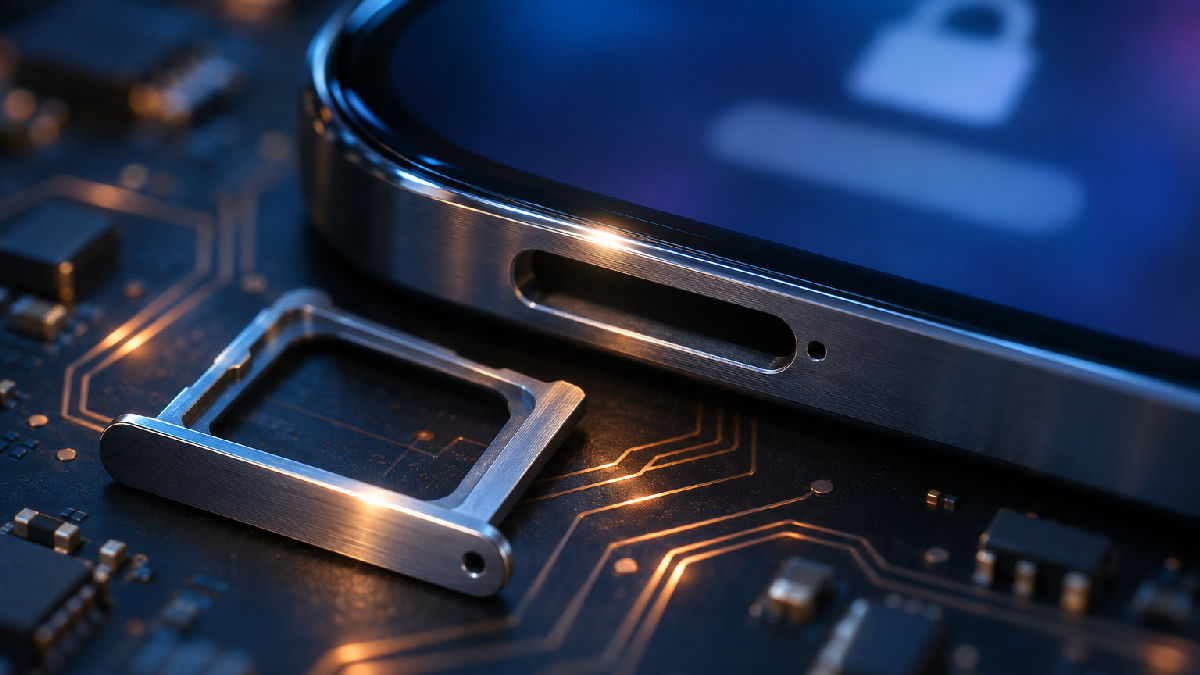
SIM swapping, also known as SIM porting fraud, is a sophisticated form of social engineering where an attacker gains control of your mobile phone number. They achieve this by tricking your mobile carrier into transferring your phone number to a SIM card they control. This often involves impersonating you, using stolen personal information (like your name, address, date of birth, or social security number) obtained through phishing, data breaches, or social media.
Once the attacker controls your phone number, they effectively control a critical key to your digital identity. Many online services, including crypto exchanges, banks, and email providers, use your phone number for identity verification, password resets, and Two-Factor Authentication (2FA) via SMS.
Why Crypto Holders Are Prime Targets: High-Value Assets, Irreversible Transactions
Cryptocurrency holders are particularly attractive targets for SIM swap attacks for several reasons:
- High-Value, Liquid Assets: Crypto assets can be quickly transferred and liquidated, making them a lucrative target.
- Irreversible Transactions: Once crypto is sent, it's typically gone forever. There are no chargebacks or centralized authorities to reverse a fraudulent transaction.
- Reliance on Phone Number for Security: Many exchanges and wallets, despite warnings, still offer or default to SMS-based 2FA, which becomes the Achilles' heel in a SIM swap scenario.
- Public Information: The open nature of blockchain often means wallet addresses can be linked to individuals, providing attackers with a clear target.
Common Attack Vectors & Scenarios: Social Engineering, Insider Threats, Phishing
SIM swappers employ various tactics:
- Social Engineering: The most common method involves tricking mobile carrier employees into believing the attacker is the legitimate account holder. They might use publicly available information, data from breaches, or even practice their story to sound convincing.
- Insider Threats: In some cases, attackers may bribe or collude with rogue employees within mobile carriers to execute the swap.
- Phishing: Attackers send deceptive emails or messages to obtain personal information (passwords, PINs, security questions) that can then be used to impersonate you to the carrier or to directly access accounts once the SIM is swapped. Learn how to identify and avoid such tactics by understanding the phishing attack lifecycle.
- Data Breaches: Stolen personal data from various online services can provide attackers with enough information to pass carrier security checks.
The Anatomy of a Crypto SIM Swap: From Phone Porting to Wallet Draining
A typical crypto SIM swap attack follows a chilling progression:
- Information Gathering: The attacker collects personal data about you (email, phone number, address, date of birth) from data breaches, social media, or phishing.
- Carrier Impersonation: Using the stolen information, the attacker contacts your mobile carrier, pretending to be you. They request a "SIM card change" or "porting" of your number to a new SIM card they possess.
- Number Hijack: If successful, your phone number is transferred to the attacker's SIM card. Your legitimate phone loses service.
- Account Access: The attacker then targets your crypto exchange or email accounts. They use the hijacked phone number to initiate password resets, receive SMS 2FA codes, or bypass other security measures.
- Crypto Theft: With access to your accounts, the attacker quickly transfers your cryptocurrency to their own wallets. Given the irreversible nature of crypto transactions, this often leads to total loss.
Case Studies: Learning from High-Profile Crypto SIM Swap Incidents
Numerous high-profile crypto figures have been victims, losing millions. These cases highlight that even those with significant security awareness can be vulnerable. These incidents serve as stark reminders of the sophisticated nature of these attacks and the critical need for proactive defense strategies.
Section 2: Your Digital Moat – Assessing Vulnerabilities with a Zero-Trust Mindset
To build an effective defense, you must first understand where your weak points lie. Adopt a "Zero-Trust" mindset: assume every access point is a potential vulnerability until proven otherwise.Conducting a Personal Security Audit: Identify Every Potential Entry Point
Begin by mapping out all your digital assets and the accounts that protect them:
- List all online accounts: Crypto exchanges, email providers, cloud storage, social media, banking, and any service linked to your phone number or primary email.
- Identify linked phone numbers: For each account, note if your mobile number is used for login, password recovery, or 2FA.
- Identify linked emails: Note which email addresses are linked to these accounts, especially your primary email, as it often acts as a master key.
- Review 2FA methods: For each account, what type of 2FA is enabled? SMS, authenticator app, or hardware key?
- Check password strength: Are you using unique, strong passwords for every account, ideally managed by a password manager?
- Assess public information: What personal information about you is available online (social media, public records)?
Mobile Carrier Vulnerabilities: Is Your Provider Secure? What Questions to Ask
Your mobile carrier is a critical point of failure. Attackers exploit their customer service protocols. Contact your carrier and ask:
- "What security measures do you have to prevent unauthorized SIM swaps or port-outs?"
- "Can I set up a dedicated 'No Port' or 'Port Freeze' on my account that requires an in-person visit or a secret passphrase?"
- "What is your policy on changing account PINs or security questions over the phone or online?"
- "Do you offer any advanced authentication methods beyond a simple PIN for account changes?"
Be aware that even with these questions, carrier practices can vary widely, and human error remains a factor.
Email & Cloud Service Weaknesses: The Master Key to Your Digital Life
Your primary email account is often the most critical vulnerability. If compromised, it can be used to reset passwords for almost all your other online services. Similarly, cloud storage linked to this email could expose sensitive documents. Ensure your email is secured with the strongest possible 2FA, preferably a hardware key. For a deeper dive into protecting your email, refer to guides on email security for crypto (related cluster).
Exchange Account & Wallet Exposure: Where Your Crypto Treasure is Stored
Exchanges and wallets are the ultimate targets. Review the security settings for each:
- Exchanges: What 2FA methods are enabled? Is SMS 2FA an option, and is it active? Are withdrawal whitelists enabled?
- Software Wallets: Are they secured with strong passwords and biometric locks? Are recovery phrases stored offline and securely?
- Hardware Wallets: While hardware wallets are generally immune to SIM swaps for the assets they hold, the accounts used to manage them (like exchange accounts where you buy crypto) are still vulnerable.
Understanding how to strengthen your crypto wallet is paramount.
Social Media & Public Information Leaks: How Attackers Gather Intel
Attackers often piece together information from your online presence. Limit what you share publicly:
- Date of birth, address, phone number: Ensure these are not publicly visible on social media profiles.
- Pet names, mother's maiden name, childhood street: These are common security questions. Avoid using them or making them public.
- "Crypto-rich" signaling: Avoid flaunting your crypto holdings online, as this makes you a more attractive target.
Section 3: Building the Digital Fortress – Multi-Layered Defenses Against SIM Swaps
The "Swiss Cheese Model of Cybersecurity" illustrates that no single security measure is perfect, but stacking multiple imperfect layers creates robust protection. Here, we'll build your digital fortress layer by layer.Fortifying Your Mobile Carrier (The First Line of Defense):
This is often the most overlooked yet critical layer.
- Implement a strong PIN/Passcode on your mobile account: This is distinct from your phone's screen lock. Call your carrier and set a complex, unique PIN or passphrase that is not easily guessable and not used elsewhere. Change it regularly.
- Enroll in a 'No Port' or 'Port Freeze' service: Many carriers offer a service that prevents your number from being ported out without extreme verification, often requiring an in-person visit with ID. This is a crucial defense. Ask your carrier specifically for a "Port Freeze" or "SIM Lock" feature.
- Use a dedicated SIM for crypto (Consider a separate burner phone or eSIM): For your most critical crypto activities, consider using a phone number that is not widely known or linked to your public identity. A separate prepaid SIM or even an eSIM (if supported by your devices and accounts) can add a layer of abstraction.
- **Decision Tree:** Carrier Security Levels (What to do if your carrier lacks advanced features):
🔒 Option A: Carrier Offers Port Freeze / SIM Lock
Best for: Maximum direct carrier protection
Action: Implement immediately and confirm annually.
📱 Option B: Carrier Lacks Advanced Features
Best for: Relying on external and layered security
Action: Compensate with stronger account-level security.
Option A: Carrier Offers Port Freeze / SIM Lock - Step by Step
- Step 1: Contact your Mobile Carrier - Call their customer service line directly. Avoid using numbers found through a quick search; use the official number from your bill or their official website.
- Step 2: Request a "Port Freeze" or "SIM Lock" - Clearly state that you want to enable a feature that prevents your number from being transferred to another SIM or carrier without an extremely high level of verification (e.g., in-person ID verification at a store, or a secret, unrecorded passphrase).
- Step 3: Confirm Activation and Requirements - Ensure the representative confirms the feature is active and understands what steps would be required to lift it. Document the date, time, and name of the representative.
- Step 4: Set a Strong Account PIN/Passphrase - If you haven't already, ensure your account has a strong, unique PIN or passphrase for phone-based authentication, separate from your lock screen PIN.
- Step 5: Regular Verification - Periodically (e.g., every 6-12 months), call your carrier to verify the Port Freeze/SIM Lock is still active and that no unauthorized changes have been made to your account.
Option B: Carrier Lacks Advanced Features - Step by Step
- Step 1: Implement Strong Account PIN/Passphrase - Set the strongest possible account PIN or passphrase with your carrier. Make it complex, unique, and not easily guessed from publicly available information.
- Step 2: Request Detailed Account Change Notifications - Ask your carrier to enable notifications (email, separate phone number if available) for any account changes, SIM swaps, or port-out requests.
- Step 3: Minimize Use of Mobile Number for 2FA - Immediately begin migrating all critical accounts (email, crypto exchanges) away from SMS-based 2FA. This is paramount.
- Step 4: Use a Dedicated Mobile Number (Optional but Recommended) - If feasible, acquire a separate prepaid SIM card with a new number that is only used for very specific, non-critical purposes, if any, and is not publicly associated with you. Avoid using it for crypto 2FA.
- Step 5: Prioritize Account-Level Security - Focus heavily on securing your email and crypto accounts with hardware security keys and strong authenticator apps, as these will be your primary defense.
Securing Your Digital Identity (Beyond the Phone Number):
Your phone number is a vulnerability, so pivot to stronger authentication methods. Learn more about the various forms of 2FA in guides like What is two-factor authentication crypto? and Mastering two-factor authentication (2FA) for enhanced crypto security.
- Move away from SMS 2FA for ALL critical accounts (Email, Exchanges, Wallets): SMS 2FA is highly vulnerable to SIM swaps. Disable it wherever possible and switch to stronger methods.
- Adopt Hardware Security Keys (FIDO2/U2F) for ultimate protection: These are physical devices (like YubiKeys) that provide the highest level of 2FA security. They require physical possession and are immune to remote attacks like SIM swaps. Enable them on all supported accounts, especially your primary email and crypto exchanges.
- Utilize Authenticator Apps (Google Authenticator, Authy) as a strong alternative: For accounts that don't support hardware keys, authenticator apps generate time-based one-time passwords (TOTP) that are independent of your phone number. Ensure you back up your authenticator app's seed phrases and store them securely offline. Guides like Mastering 2FA: How to enable and secure two-factor authentication for crypto accounts provide detailed instructions.
Dedicated & Hardened Email for Crypto (A vault for your master key):
This email should be used ONLY for your crypto activities and nothing else.
- Use a unique, strong password for this email: Generated by a password manager, long, and complex.
- Enable hardware key 2FA for this email: This is non-negotiable. Your email is the gateway to resetting passwords for many other accounts.
- Avoid using this email for anything else: Do not sign up for newsletters, social media, or any other non-crypto service with this email. This minimizes its exposure to data breaches and phishing attempts.
- Consider a reputable, privacy-focused email provider: Research providers known for their strong security and privacy policies.
Protecting Your Crypto Exchanges & Wallets (Your Treasure Chest):
This is where your assets are directly at risk.
- Disable SMS notifications and 2FA where possible on exchanges: If an exchange allows it, opt out of all SMS-based security features. For exchanges that mandate SMS for certain actions, use it minimally and only after ensuring your mobile carrier has a robust 'Port Freeze'.
- Enable hardware key 2FA on exchanges (if supported): Many major exchanges (e.g., Coinbase, Binance) support FIDO2/U2F hardware keys. Prioritize this. For those that don't, use an authenticator app. Guides like How to secure my crypto exchange account with two-factor authentication (2FA) can help.
- Withdraw large amounts of crypto to self-custody (Hardware wallets are paramount): Do not leave significant amounts of crypto on exchanges. Move them to a hardware wallet, which provides cold storage security. Hardware wallets are immune to online attacks and SIM swaps as your private keys never leave the device. For insights on protecting your assets, refer to Strengthening Your Crypto Wallet.
- Understand and use 'whitelisting' features for withdrawal addresses: Most exchanges allow you to "whitelist" specific crypto addresses where you can send funds. Once whitelisted (often with a time delay and 2FA confirmation), funds can only be sent to these pre-approved addresses, even if an attacker gains access to your account.
Behavioral Security: The Human Firewall (The often-overlooked layer):
Even the best tech can't protect against human error.
- Practice extreme vigilance against phishing & social engineering: Always verify the sender of emails and messages. Be suspicious of unsolicited requests for information. Never click suspicious links.
- Limit personal information shared online: The less information an attacker can gather about you, the harder it is for them to impersonate you to your carrier or other services. Be mindful of privacy settings on all online platforms.
- Regularly review account activity for suspicious behavior: Check your email logs, exchange login history, and phone bill for anything unusual.
- Consider using a VPN for all crypto-related activities: A VPN (Virtual Private Network) encrypts your internet connection, adding a layer of privacy and security, especially on public Wi-Fi. This is an important step in how to secure crypto on mobile phone.
Section 4: The Swiss Cheese Model in Action – Advanced Strategies & Tools
Beyond the fundamental layers, these advanced strategies reinforce your defenses, ensuring that even if one layer fails, others will catch the threat.Hardware Wallets: The Ultimate Cold Storage
Hardware wallets are physical devices designed to securely store your private keys offline. They are the gold standard for self-custody of cryptocurrency. Private keys never leave the device, making them impervious to online threats, including SIM swaps. When you need to transact, you connect the hardware wallet, confirm the transaction on the device itself, and then broadcast it. This physical confirmation step is crucial.
- Why they are indispensable for large holdings: For any significant amount of cryptocurrency, a hardware wallet is not optional; it's essential. Relying solely on exchanges or software wallets for substantial holdings significantly increases your risk.
- Selection and setup: Research reputable brands (e.g., Ledger, Trezor) and follow their setup instructions meticulously. Securely store your recovery seed phrase offline, ideally in multiple, geographically dispersed locations.
Secure Communication Channels: Encrypted Messaging for Sensitive Discussions
For any crypto-related discussions or sharing sensitive information, use end-to-end encrypted messaging apps. These applications prevent third parties, including malicious actors, from intercepting and reading your communications. Options like Signal or Wire offer strong encryption protocols. Always verify the identity of the person you are communicating with, even on secure channels.
Operating System & Device Hardening: Keeping Your Attack Surface Minimal
Your operating system and devices themselves can be an entry point. Maintaining a secure environment reduces your overall vulnerability:
- Keep software updated: Regularly update your operating system, web browsers, and all applications. Updates often include critical security patches.
- Use strong, unique passwords and 2FA: For your computer login and cloud services.
- Enable full disk encryption: This protects your data if your device is lost or stolen.
- Run antivirus/anti-malware software: While not foolproof, it adds a layer of protection against known threats.
- Minimize installed software: Only install applications you truly need and trust. Each piece of software can potentially introduce vulnerabilities.
- Consider a dedicated, clean device: For highly sensitive crypto transactions, some advanced users opt for a dedicated, "air-gapped" device that is never connected to the internet, or a minimal-OS computer solely used for crypto operations.
Identity Verification Services: When to Use Them, What to Look For
When interacting with new services or platforms, pay attention to their identity verification processes. Reputable services will often use robust Know Your Customer (KYC) procedures. While these involve sharing personal data, they also provide a trail for legitimate recovery efforts if an account is compromised. Understand that submitting personal data comes with its own risks, so always evaluate the trustworthiness of the service.
Staying Anonymous: Limiting Your Digital Footprint
Reducing the amount of personal information linked to your online identity makes it harder for attackers to impersonate you. This involves:
- Pseudonymity: Using different usernames and personas across various online platforms.
- Privacy settings: Maximize privacy settings on all social media and online accounts.
- Data broker opt-outs: Investigate services that help you remove your personal data from data broker websites.
Monitoring Services: Alerts for Potential SIM Swap Indicators
Several services can help you monitor for signs of identity theft, which can often precede a SIM swap:
- Credit monitoring: Alerts you to new credit accounts or inquiries opened in your name.
- Identity theft protection services: Some services offer dark web monitoring for your personal information.
- Email notifications from carriers/exchanges: Ensure you have these enabled for any account changes or logins. Even better, set these to a separate, highly secure email account not linked to your primary crypto email.
Section 5: Incident Response – What To Do When The Fortress Is Breached
Despite all precautions, no system is 100% impenetrable. Having a clear incident response plan is critical. Every second counts.Immediate Steps Upon Suspecting a SIM Swap: Every Second Counts
- Disconnect from the internet: If your phone loses service unexpectedly, or you receive unusual login alerts, immediately disconnect all devices linked to your crypto accounts (computer, Wi-Fi, mobile data).
- Contact your mobile carrier from another phone: Use a landline or a friend's phone. Do NOT use your potentially compromised phone.
- Change critical passwords: If you can still access your email and exchanges, immediately change passwords, prioritizing your primary email and crypto accounts.
- Transfer funds: If you still have access to your crypto exchange or wallet and confirm it's secure (e.g., via hardware wallet), immediately transfer any remaining funds to a new, secure address that you fully control (e.g., a new hardware wallet address).
Contacting Your Mobile Carrier: What to Say, What to Demand
When you call your carrier:
- State clearly: "I suspect my SIM card has been swapped without my authorization. I need to immediately suspend my number and investigate."
- Demand investigation: Ask for a supervisor and request a full investigation into unauthorized activity on your account.
- Re-establish control: Work with them to get your number back on a new, secure SIM card, ensuring all previous security measures (PIN, Port Freeze) are re-applied.
Notifying Crypto Exchanges & Financial Institutions: Freezing Accounts
Once your mobile number is secured, immediately:
- Contact all crypto exchanges: Notify them of the potential SIM swap and request a temporary freeze on your account(s) while you investigate. Provide them with details of the suspected attack.
- Contact banks/financial institutions: If your banking accounts are linked to your compromised phone number or email, notify them of potential fraud.
Securing Other Compromised Accounts: Email, Social Media
Work through your list of accounts from your security audit. Change passwords and re-enable stronger 2FA (hardware key if possible) for every account that might have been accessed or reset via your phone number or primary email.
Documenting the Attack: For Law Enforcement and Recovery Efforts
Keep a detailed record of everything:
- Timeline: Dates and times of the incident, calls made, actions taken.
- Correspondence: Emails, chat logs with support agents.
- Evidence: Screenshots of suspicious activity, transaction IDs if crypto was stolen.
- Contact details: Names and IDs of support agents you speak with.
Legal Recourse & Reporting to Authorities: Steps to Take After the Fact
Report the incident to:
- Local law enforcement: File a police report. This is often required for insurance claims or to assist with recovery efforts.
- Federal agencies: In the US, report to the FBI's Internet Crime Complaint Center (IC3). Other countries have similar cybercrime reporting agencies.
- Mobile carrier's fraud department: Ensure they have initiated an internal fraud investigation.
Post-Incident Recovery & Hardening: Lessons Learned, Rebuilding Trust
After an incident, it's crucial to analyze what went wrong and strengthen your defenses:
- Review and adjust: Update your security audit. Implement any new security measures you learned about.
- New accounts: Consider starting fresh with new email addresses and phone numbers for critical crypto accounts if the previous ones were compromised.
- Educate yourself: Stay informed about the latest threats and security best practices.
Section 6: Threat Intelligence & Continuous Vigilance – Adapting to Evolving Threats
The cyber landscape is constantly changing. Continuous vigilance is not merely a recommendation; it's a necessity in the crypto space.Understanding New SIM Swap Tactics: The Constant Cat-and-Mouse Game
Attackers continuously refine their methods. They might move from direct social engineering to exploiting specific carrier vulnerabilities, or combining SIM swaps with malware. Stay informed by following reputable cybersecurity news outlets and crypto security researchers.
Staying Updated on Security Best Practices: Trusted Sources, Communities
Regularly consult:
- Official security blogs: From major crypto exchanges, wallet providers, and cybersecurity firms.
- Privacy and security communities: Reputable forums and groups where experts share intelligence.
- Educational platforms: Like this one, dedicated to digital asset security.
Regular Security Audits: A Schedule for Peace of Mind
Make your personal security audit a recurring event. Quarterly or bi-annually, revisit your account list, check your 2FA methods, verify carrier settings, and ensure all software is updated. This proactive approach can catch vulnerabilities before attackers exploit them.
The Importance of a Security Mindset: Your Most Powerful Defense
Ultimately, your most powerful defense is a security-conscious mindset. This means:
- Skepticism: Treat all unsolicited communications with suspicion.
- Diligence: Consistently apply security best practices, even when inconvenient.
- Education: Continuously learn about new threats and defense strategies.
Looking Ahead: Quantum-Resistant Security & Decentralized Identity
The future of security is evolving. Research into quantum-resistant cryptography aims to protect against theoretical future threats from quantum computers. Decentralized Identity (DID) solutions, where individuals control their own identity data without reliance on centralized providers, could fundamentally change how we secure our digital lives and make SIM swaps far less effective. Staying aware of these advancements helps you anticipate the next generation of security solutions.
⚠️ Common Mistakes to Avoid
- Relying Solely on SMS 2FA: This is the biggest vulnerability. SMS 2FA is easily bypassed in a SIM swap.
- Using the Same Password Across Multiple Accounts: A breach on one service can cascade to others.
- Publicly Sharing Personal Information: Attackers use this to impersonate you.
- Ignoring Mobile Carrier Security Settings: Your phone number is a direct link to your crypto.
- Not Regularly Reviewing Account Activity: Early detection is key to limiting damage.
- Keeping Large Amounts of Crypto on Exchanges: Exchanges are hot targets; self-custody is safer for significant holdings.
- Neglecting Software Updates: Outdated software often contains known vulnerabilities.
Frequently Asked Questions
Can a VPN protect me from a SIM swap?
A VPN (Virtual Private Network) encrypts your internet connection and masks your IP address, enhancing your online privacy and security from certain types of monitoring. However, a VPN itself does not directly protect you from a SIM swap attack. A SIM swap targets your phone number's control at the carrier level, not your internet traffic. While a VPN is a good overall security practice for crypto users, it won't prevent your mobile number from being hijacked.
Is using Google Voice or other VoIP numbers safer than a regular mobile number for 2FA?
Generally, using Google Voice or other VoIP (Voice over Internet Protocol) numbers for 2FA is not considered safer, and often introduces different, sometimes greater, risks. VoIP numbers can be vulnerable to different forms of hijacking and often rely on email for recovery, creating a single point of failure if that email is compromised. They also may not be accepted by all financial institutions or crypto exchanges for 2FA purposes. For critical accounts, it is always recommended to use hardware security keys or authenticator apps rather than any phone number, including VoIP.
How can I tell if my phone number has been SIM swapped?
The most immediate and obvious sign is a sudden and unexplained loss of service on your mobile phone (no calls, texts, or data). Other indicators include receiving unusual notifications about account changes or logins you didn't initiate, or being locked out of your online accounts. If you experience a sudden loss of service, especially if you have crypto holdings, assume the worst and act immediately.
What are the legal implications if I'm a victim of a SIM swap?
The legal implications can be complex. You may suffer significant financial losses, which can be difficult to recover due to the irreversible nature of crypto transactions. While you can report the crime to law enforcement (local police, FBI IC3 in the US), successful recovery of stolen funds is rare. Legal action against your mobile carrier might be an option, but success depends on proving negligence and varies by jurisdiction and specific circumstances. It's crucial to document everything and consult with legal counsel experienced in cybercrime if you intend to pursue legal action.
Should I tell my mobile carrier that I have cryptocurrency?
This is a debated point. Some argue that informing your carrier might make them more vigilant. Others fear it could make you a target, especially if there's an insider threat at the carrier. The safest approach is to ensure your carrier has the strongest possible account security (Port Freeze, strong PIN/passphrase) without necessarily disclosing your crypto holdings. Focus on the *mechanisms* of protection rather than the *reason* for it. Explain that you require the highest level of security for your account due to concerns about identity theft.
Are eSIMs more secure against SIM swaps?
eSIMs (embedded SIMs) offer some advantages over physical SIMs, but they are not inherently immune to SIM swaps. The underlying vulnerability is still the mobile number and the carrier's account management protocols. An attacker can still social engineer the carrier to transfer your eSIM profile to a device they control. However, some argue that eSIMs can make physical theft of a SIM card impossible and may have slightly different activation/transfer protocols that could introduce new friction for attackers. The best defense remains strong carrier-level security measures and migrating away from phone number-based 2FA.
What's the difference between SMS 2FA and authenticator app 2FA, and why is one better?
SMS 2FA sends a one-time code to your registered mobile number via text message. It's convenient but vulnerable to SIM swaps because if an attacker controls your number, they receive the code. Authenticator app 2FA (e.g., Google Authenticator, Authy) generates time-based one-time passwords (TOTP) directly on your device. These codes are not sent over the cellular network; they are generated algorithmically. This makes them immune to SIM swaps because the attacker would need physical access to your device or the secret "seed" phrase used to set up the authenticator. Authenticator app 2FA is significantly more secure than SMS 2FA.
What if my mobile carrier doesn't offer a 'No Port' or 'Port Freeze' option?
If your carrier doesn't offer a specific "No Port" or "Port Freeze" option, you must compensate with heightened security on other layers. Implement the strongest possible account PIN/passphrase and ensure you receive email notifications for any account changes. More importantly, prioritize migrating *all* critical accounts (especially email and crypto exchanges) away from SMS 2FA to authenticator apps or, ideally, hardware security keys. Consider switching to a carrier that does offer these vital security features if your current carrier's policies are too lax. Refer back to the "Decision Tree: Carrier Security Levels" for detailed steps.
How often should I change my mobile account PIN?
It's a good practice to change your mobile account PIN at least every 3-6 months. This reduces the window of opportunity for an attacker if your PIN were to be compromised through a data breach or social engineering attempt. Always choose a strong, unique PIN that you don't use for any other service.
What's Next?
Now that you've completed this guide, you have a solid understanding of SIM swap threats and a blueprint for building your digital fortress. To continue strengthening your security, consider these next steps:
- Setting up a dedicated, hardened email account for crypto, ensuring it's secured with a hardware key.
- Purchasing and configuring a hardware wallet for self-custody of your significant crypto holdings.
- Enabling hardware key 2FA on your most critical accounts, starting with your primary email and crypto exchanges. Learn more about best practices for setting up and using two-factor authentication.
- Deep Dive: Understanding Blockchain Security.
- Advanced Phishing & Social Engineering Countermeasures.
- Setting up a Personal Security Operations Center (SOC).