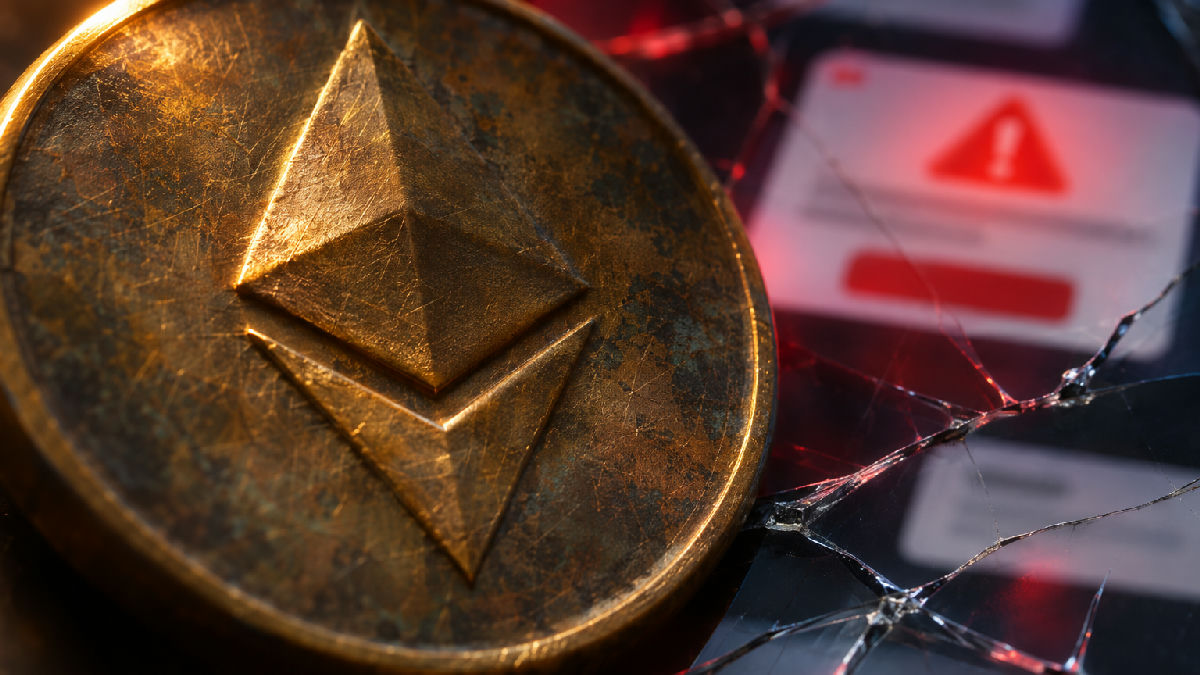
Are you new to crypto, feeling that thrill of possibility mixed with a knot of worry? You're not alone. Every day, headlines scream about scams, rug pulls, and stolen fortunes, making the world of digital assets feel like a minefield. It's easy to feel overwhelmed, but what if you could navigate this landscape with confidence, spotting danger before it strikes?
This guide is your shield, empowering you to understand not just what crypto scams look like, but how crypto scams work, and most importantly, how to protect yourself. We'll demystify the tactics scammers use, from psychological manipulation to technical trickery, giving you the knowledge to confidently distinguish between legitimate opportunities and fraudulent schemes.
By the end of this guide, you'll be equipped with practical strategies and a critical mindset to safeguard your digital assets and personal information. Let's transform that worry into informed confidence, together.
📋 What You'll Learn
- Identify the common characteristics and red flags of various crypto scams.
- Understand the psychological tactics employed by scammers.
- Confidently distinguish between legitimate crypto opportunities and fraudulent schemes.
- Articulate best practices for securing your crypto assets and personal information.
- Know where to report scams and seek further assistance.
⏱️ Estimated Time: 15 minutes
📊 Difficulty: Beginner
The Anatomy of a Crypto Scam: Deconstructing Deception
To truly understand how crypto scams work, we need to take a look under the hood. Scams aren't random acts; they follow a predictable pattern, evolving through stages designed to ensnare victims. Think of it like visually dissecting an organism – each part plays a crucial role in the scammer's scheme.
The scammer's mindset is often driven by greed and a meticulous understanding of human psychology. They know how to tap into your desires for quick wealth, fear of missing out (FOMO), or even your capacity for empathy. Their motivation is simple: to separate you from your crypto or personal information.
The typical lifecycle of a crypto scam moves from an initial lure, through sophisticated psychological manipulation, to the execution of the fraud, and finally, the liquidation of your assets.
Let's break down these components step-by-step.
The Lure: How Scammers Grab Your Attention and Exploit Your Desires
Every scam starts with an enticing bait. Scammers are masters of marketing, but for nefarious purposes. They dangle promises of easy money, exclusive opportunities, or insider information. This might come in the form of:
- Unsolicited Messages: A direct message on social media, a random email, or even a text from an unknown number promising high returns from a crypto investment.
- Fake Investment Platforms: Websites or apps designed to look like legitimate trading platforms, often with professional-looking graphics and impressive (but fake) testimonials.
- "Too Good to Be True" Offers: Claims of guaranteed profits, daily returns of 5% or more, or opportunities to double your investment in a short period. Remember the golden rule: if it sounds too good to be true, it almost certainly is.
Psychological Manipulation: The Dark Art of Persuasion
Once they have your attention, scammers deploy an arsenal of psychological tactics to keep you hooked and bypass your critical thinking. These are the subtle (and sometimes not-so-subtle) ways they play with your emotions:
- Urgency: "Act now or miss out!" Scammers create a sense of immediate need, pushing you to make quick decisions without proper research. This is often tied to FOMO.
- Fear of Missing Out (FOMO): You see others "getting rich" and don't want to be left behind. Scammers exploit this by showcasing fake success stories or implying an exclusive, limited-time opportunity.
- Authority: They might impersonate well-known crypto figures, exchange representatives, or even government officials to gain your trust.
- Social Proof: Fake testimonials, doctored screenshots of profits, or an active (but bot-filled) community chat are used to make the scam seem legitimate and popular.
- Flattery/Building Rapport: In romance scams or "pig butchering" scams, the scammer spends weeks or months building a relationship with the victim, leveraging emotional connection before introducing the investment scheme.
The Trap: Technical and Social Engineering Tactics
With your guard lowered, scammers move in for the kill using concrete methods to steal your assets:
- Phishing Links: These are malicious links sent via email, text, or social media that lead to fake websites designed to look identical to legitimate crypto platforms (exchanges, wallets). If you enter your login credentials, the scammers steal them.
- Fake Websites & Apps: These mimic official platforms down to the smallest detail. They might have slight variations in the URL (e.g.,
coinbase.comvs.coinbaselike.com) or be distributed through unofficial app stores. - Malicious Software/Apps: You might be tricked into downloading software that promises to boost your crypto earnings, but instead installs malware that steals your private keys or grants remote access to your device.
- Impersonation: Scammers pretend to be customer support, a celebrity doing a giveaway, or a project administrator, asking for your private keys or to send crypto to a specific address.
- Direct Deposit Scams: You're simply asked to send crypto to a scammer's wallet address, with a promise of returns or a service that never materializes.
Mastering the 'Scam Detection Toolkit'
Now that we understand how crypto scams work, let's build your personal "scam detection toolkit." This isn't just about knowing what to look for; it's about developing a critical mindset, like a detective examining clues.
Think of this section as your essential guide to critical thinking, research, skepticism, and security tools. These are the practical skills you need.
Red Flag Recognition: Spotting Inconsistencies, Poor Grammar, Unrealistic Claims, and High-Pressure Tactics
Your first line of defense is your ability to recognize red flags. Think of them as flashing warning signs:
- Unrealistic Promises: Any investment offering "guaranteed" high returns (e.g., 1% daily, 100% weekly) in crypto is a scam. Legitimate investments always carry risk. If it sounds too good to be true, it is.
- Poor Grammar and Spelling: Professional organizations, especially in finance, meticulously proofread their communications. Typos or awkward phrasing in emails, websites, or whitepapers are a huge red flag.
- Sense of Urgency: "Invest now before the offer expires!" or "Only a few spots left!" These are classic manipulation tactics designed to bypass your rational thought process.
- Requests for Private Keys/Seed Phrases: NO legitimate project, exchange, or supporter will EVER ask for your private keys or seed phrase. These are the ultimate keys to your crypto assets.
- Anonymous or Unverifiable Teams: If you can't find clear information about the people behind a project, or their profiles seem fabricated, be extremely cautious.
- Sudden Message From Unknown Sender: Be suspicious of unsolicited messages asking you to click links or send crypto, especially if they claim to be from a well-known entity.
Due Diligence: Verifying Project Legitimacy, Team Credentials, and Community Sentiment
Don't just react; research! Performing due diligence is about digging deeper before you commit any funds:
- Examine the Project's Whitepaper: Does it clearly explain the technology, the problem it solves, and its tokenomics? Is it well-written and coherent?
- Research the Team: Look up individuals on LinkedIn, check their past projects, and verify their claimed expertise. Are they real people with verifiable histories?
- Check Official Channels: Always go to the official website and official social media (Twitter, Discord, Telegram) of a project. Do not trust links from random direct messages (DMs).
- Analyze Community Sentiment: While easily manipulated, a consistent pattern of negative feedback, complaints about withdrawals, or an overly cult-like positive community (no room for criticism) can be telling.
- Look for Audits: For DeFi projects, professional smart contract audits by reputable firms indicate a level of security.
Technical Safeguards: Using Strong Passwords, Two-Factor Authentication (2FA), Reputable Exchanges, and Cold Storage
Beyond vigilance, technical security measures are essential for protecting your actual assets:
- Strong, Unique Passwords: Use a password manager to create complex, unique passwords for every crypto-related account. Never reuse passwords.
- Enable Two-Factor Authentication (2FA): Always use 2FA, preferably an authenticator app (like Google Authenticator or Authy) or a hardware key (like YubiKey), rather than SMS-based 2FA, which can be vulnerable to SIM swap attacks.
- Use Reputable Exchanges and Wallets: Stick to established, well-known crypto exchanges and wallet providers with strong security track records.
- Consider Cold Storage (Hardware Wallets): For significant amounts of crypto, a hardware wallet (like Ledger or Trezor) is highly recommended. These keep your private keys offline, making them extremely difficult for online scammers to access.
Information Security: Protecting Your Private Keys and Personal Information
Your information is as valuable as your crypto:
- Never Share Private Keys or Seed Phrases: This cannot be stressed enough. Anyone asking for these is a scammer. Your seed phrase is the master key to your crypto.
- Be Wary of Public Wi-Fi: Avoid accessing your crypto accounts on unsecured public networks, as they can be easily intercepted.
- Phishing Awareness: Always double-check URLs, sender email addresses, and the legitimacy of links before clicking or entering information.
- Limit Personal Information Shared: Be cautious about how much personal info you share on crypto forums or social media. Over-sharing can make you a target.
Real-World Scams: Learning from Case Studies
Understanding how crypto scams work becomes much clearer when we look at real-world examples. Scammers are constantly evolving their methods, but the underlying psychological tactics remain surprisingly consistent. Let's explore some prominent types of scams and see how they play out.
Imagine these scenarios as a "before-and-after" picture: a user falling for the scam versus a user who successfully avoided it by applying the guide's principles.
Investment and Ponzi Schemes: The Allure of Guaranteed Returns
These scams bait victims with promises of impossibly high, guaranteed earnings. They often recruit new investors to pay off earlier ones, a classic Ponzi scheme model.
- Example: "Cloud Mining" Platforms: Scammers create fake websites advertising "cloud mining" contracts that promise daily returns of 2-5% on your investment. You "invest" by sending them crypto, and for a short period, you might even see some small "payouts" to build trust. Eventually, the platform disappears, and your funds are gone.
- Fake DeFi Projects: New projects emerge promising incredible yields (e.g., 1,000% APY) for staking tokens or providing liquidity. Users pour money in, often without understanding the smart contract behind it. The developers (scammers) then pull all the funds out, effectively "rug pulling" their investors, crashing the token's value and leaving investors with worthless assets.
Phishing and Impersonation Scams: The Art of Mimicry
These scams rely on masquerading as trusted entities to steal credentials or directly solicit crypto.
- Example: Fake Exchange Support: You post a query on a crypto exchange's social media page. A scammer, pretending to be "support," contacts you, asks for your login details, or directs you to a fake support website where you unknowingly give up your credentials.
- Celebrity Giveaway Scams: Scammers create fake social media accounts impersonating Elon Musk, Vitalik Buterin, or other public figures. They announce a "giveaway" where if you send a small amount of crypto, they promise to send back a much larger amount. You send your crypto, and they disappear.
Rug Pulls and Exit Scams: When Projects Disappear with Your Money
Common in the DeFi and NFT spaces, these happen when developers of a new project suddenly abandon it, taking all the investors' money with them.
- Example: Fraudulent ICOs/IDOs: A new token launches through an Initial Coin Offering (ICO) or Initial DEX Offering (IDO). The team heavily promotes the project, collects millions from investors, then drains the liquidity pools or sells off all their tokens, causing the price to plummet to zero, and vanishes.
- NFT Project Rug Pulls: Developers launch an NFT collection, generate excitement, sell all the NFTs, and then delete their social media, website, and disappear with the funds, leaving buyers with JPEGs that have no value or utility.
Romance and Pig Butchering Scams: Exploiting Emotions for Financial Gain
These are insidious, long-term scams that involve building a deep emotional connection before introducing a crypto investment scheme. They are often called "pig butchering" scams, a direct translation from the Chinese "Sha Zhu Pan."
- Example: "Pig Butchering": A scammer (often posing as an attractive individual) contacts you on social media or dating apps. They spend weeks or months building a romantic or friendly relationship. Once trust is established, they introduce you to a "lucrative" crypto investment platform they claim to be using. They pressure you to invest more and more, sometimes even letting you withdraw small amounts initially to build confidence. Eventually, they block you, and all your invested funds are gone.
Fake Airdrops and Giveaways: The Bait-and-Switch Tactic
These offer free tokens or NFTs to lure victims into interacting with malicious smart contracts or websites.
- Example: Malicious Airdrop Claim: You receive a message or see an advertisement for a free airdrop of a new, valuable crypto token. To claim it, you're directed to a website that asks you to connect your wallet. Once connected, your wallet is drained of funds, or you approve a malicious transaction that gives the scammer control over your assets.
Protecting Your Crypto: Proactive Steps
Understanding how crypto scams work is the first step, but proactive protection is essential. Here are actionable steps to shield yourself from scammers. Apply these principles to avoid becoming a victim.
Step 1: Verify Everything
Cross-reference information, check official sources, and be wary of unsolicited messages.
- Always double-check URLs for specific exchanges and projects. Bookmark legitimate sites and use those bookmarks for future access.
- If you receive an email or message claiming to be from an exchange or project, do not click links directly. Instead, go to the official website by typing the address yourself or using a trusted bookmark, and check for announcements there.
- Be extremely suspicious of any unsolicited message promising easy money or asking you to click a link or send crypto.
Step 2: Secure Your Accounts
Enable 2FA, use unique passwords, and be cautious of public Wi-Fi.
- Implement 2FA on EVERYTHING: Use an authenticator app (like Google Authenticator or Authy) for all crypto exchanges, wallets, and even your email account. Avoid SMS-based 2FA where possible, as it's less secure.
- Use Password Managers: Utilize tools like LastPass, 1Password, or Bitwarden to create and store unique, strong passwords for every online service.
- Be Mindful of Your Network: Avoid engaging with crypto transactions or logging into sensitive accounts while connected to public Wi-Fi networks. Use a trusted VPN if you must.
Step 3: Understand Smart Contracts
If engaging with DeFi, learn the basics of contract audits and risks.
- If you're interacting with decentralized applications (dApps) or DeFi protocols, try to understand the basics of how smart contracts work.
- Look for evidence of security audits by reputable firms (e.g., CertiK, PeckShield). Audited contracts aren't foolproof but indicate a level of due diligence.
- Learn how to revoke token approvals from your wallet if you suspect you've interacted with a malicious contract using tools like Revoke.cash.
Step 4: Use Reputable Platforms
Stick to well-known exchanges and wallets with strong security records.
- For buying, selling, and trading, use established exchanges like Coinbase, Binance, Kraken, or Gemini.
- For self-custody, choose well-known software wallets (e.g., MetaMask, Trust Wallet) or, for larger holdings, hardware wallets (e.g., Ledger, Trezor).
- Avoid obscure, unknown platforms that promise unusually high returns.
Step 5: Never Share Private Keys or Seed Phrases
These are the keys to your crypto – keep them secret and safe.
- Your private keys and seed (recovery) phrases are the ONLY way to access your funds. Anyone who asks for them is a scammer.
- Write down your seed phrase on paper and store it securely offline, away from your computer and phone. Make multiple copies and store them in different secure locations (e.g., a fireproof safe). Do NOT store it digitally on your computer, cloud, or phone.
Step 6: Stay Informed
Follow trusted crypto security experts and news sources.
- Follow reputable crypto news outlets and security researchers on Twitter or other platforms.
- Join official Discord or Telegram channels for projects you invest in, but be wary of DMs from "support" and always verify account authenticity.
- Educate yourself continuously about new scam vectors and security best practices.
Step 7: What to Do If You've Been Scammed
Knowing how crypto scams work unfortunately doesn't guarantee you won't ever be a victim. If you find yourself in this situation, here's how to report, control damage, and seek help.
- Act Quickly: If you suspect you've been scammed, time is of the essence.
- Document Everything: Gather all screenshots, transaction IDs, communication logs, and wallet addresses involved. This documentation is crucial for reporting.
- Stop Communication: Cease all communication with the scammer immediately.
- Report to Exchanges/Platforms: If you sent crypto from an exchange, report the transaction to their support team. They might be able to flag the address.
- Contact Authorities: Report the scam to relevant law enforcement agencies in your country (e.g., FBI IC3 in the US, Action Fraud in the UK, Canadian Anti-Fraud Centre in Canada) and local police. While recovery is difficult, reporting helps track scammers.
- Change Passwords: If you entered any credentials on a suspicious site, change them immediately on all accounts, especially those related to crypto or email.
- Revoke Token Approvals: If you connected your wallet to a suspicious dApp, use tools like Revoke.cash or Etherscan's token approval checker to revoke malicious approvals.
⚠️ Common Mistakes to Avoid
Prevention is key when it comes to crypto scams. Avoid these common pitfalls:
- Clicking Unknown Links: Never click on unverified links in emails, texts, or social media, especially if they promise free crypto or urgent actions.
- Sharing Your Seed Phrase/Private Keys: This is the golden rule! Your recovery phrase is for YOUR eyes only and should never be shared with anyone, ever.
- Ignoring Red Flags: Dismissing poor grammar, unrealistic returns, or high-pressure tactics as minor issues. These are screaming warnings.
- Believing "Guaranteed Returns": No legitimate investment, especially in volatile crypto, can guarantee high returns without risk.
- Using the Same Password Everywhere: If one account is compromised, all others using the same password become vulnerable.
- Not Enabling 2FA: Leaving your accounts unprotected, making them easy targets for hackers.
- Not Doing Your Own Research (DYOR): Relying solely on hype or someone else's recommendation without verifying the facts yourself.
- Engaging with Unsolicited Offers: Being too trusting of random DMs, emails, or calls about crypto opportunities.
Frequently Asked Questions
What is the most common type of crypto scam?
While types evolve, phishing scams (where scammers try to trick you into giving up your login details) and fake investment schemes promising impossibly high, guaranteed returns are consistently among the most prevalent. "Pig butchering" scams, combining romance fraud with crypto investment, are also rapidly increasing.
How can I tell if a crypto project is legitimate?
To assess legitimacy, perform due diligence: check for a clear whitepaper, a transparent and verifiable team, a robust and active community (not just bots), smart contract audits (for DeFi), and a realistic roadmap. Be wary of projects promising guaranteed, outsized returns.
Is my cryptocurrency insured like bank accounts?
Generally, no. Unlike traditional bank accounts which are often FDIC-insured (in the US) up to a certain amount, cryptocurrencies held in most personal wallets or even on many exchanges are not federally insured against theft or loss. Some centralized exchanges may have their own insurance funds, but this is not universal. You are primarily responsible for your own security.
What should I do immediately if I realize I've been scammed?
Act fast: 1) Stop all communication with the scammer. 2) Document everything (screenshots, transaction IDs, wallet addresses). 3) Report the incident to your exchange's support team. 4) Contact local law enforcement and relevant national fraud reporting agencies. 5) If applicable, change passwords and revoke any malicious token approvals from your wallet.
Can I get my money back if I'm a victim of a crypto scam?
Unfortunately, recovering funds from crypto scams is extremely difficult due to the decentralized and often irreversible nature of blockchain transactions. While law enforcement agencies are making progress, success rates are generally low. The best defense is prevention.
How do scammers find their victims?
Scammers use various channels: social media (Twitter, Instagram, Facebook), messaging apps (Telegram, WhatsApp, Discord), dating apps, unsolicited emails, and even fake celebrity livestreams or ads. They often target new users or those showing interest in crypto.
What are the red flags of a 'rug pull'?
Red flags for a rug pull include: an anonymous team, a lack of a clear whitepaper or roadmap, extremely high initial token allocation to the development team, suspicious liquidity pool activity (especially if liquidity is not locked), aggressive marketing with unrealistic promises, and an inability to withdraw funds or unusually high transaction fees for selling.
Are hardware wallets truly secure?
Yes, hardware wallets (often called "cold storage") are generally considered the most secure way to store cryptocurrency for most users. They keep your private keys offline, meaning they cannot be accessed by online hackers or malware. However, they are only secure if you protect your seed phrase and follow best practices for setup and use.
How can I report a crypto scam?
You should report crypto scams to relevant authorities: In the US, the FBI's Internet Crime Complaint Center (IC3); in the UK, Action Fraud; in Canada, the Canadian Anti-Fraud Centre. You can also report to the crypto exchange or platform where the transaction occurred, and often to local police.
What is 'pig butchering' in the context of crypto scams?
Pig butchering (Sha Zhu Pan) is a long-term, elaborate scam where the scammer builds a romantic or friendly relationship with the victim over weeks or months, earning their trust. Once the emotional bond is strong, they introduce the victim to a fake crypto investment platform, encouraging them to invest increasingly larger sums, before eventually disappearing with all the money. The term refers to "fattening the pig" (the victim) before "butchering" them (taking all their money).
What's Next?
Now that you've completed this guide and understand how crypto scams work, you're much better equipped to navigate the crypto world safely. Your journey into crypto security doesn't have to end here.
- Continue to research advanced crypto security practices, such as understanding blockchain forensics or exploring decentralized identity solutions.
- Stay updated on the latest scam tactics by following reputable crypto news sources and security experts. The landscape is always evolving!