The FCA estimated that 12% of UK adults owned cryptocurrency in 2024, equivalent to around 7 million people, up from 4.4% in 2021. That FCA research changes the question. Buying crypto in the UK isn't an experiment for a small technical crowd anymore. It's a mainstream retail decision, made in a market where 93% of UK adults had heard of cryptoassets by August 2024.
The catch is that mainstream adoption hasn't made the process simple. In 2026, the challenge isn't finding a button marked “Buy Bitcoin”. It's checking that the firm, advert, payment route and wallet process are legitimate. FCA warnings, stronger promotion rules and the planned 2027 authorisation regime mean a safe buyer needs a verification routine, not just an exchange account.
The UK Crypto Market in 2026
Crypto is now a mainstream retail product in the UK, but access has not become safer by default. The FCA's research shows how quickly participation changed between 2021 and 2024. For buyers in 2026, the practical question is whether the advert, platform, payment route and wallet process can withstand basic checks.
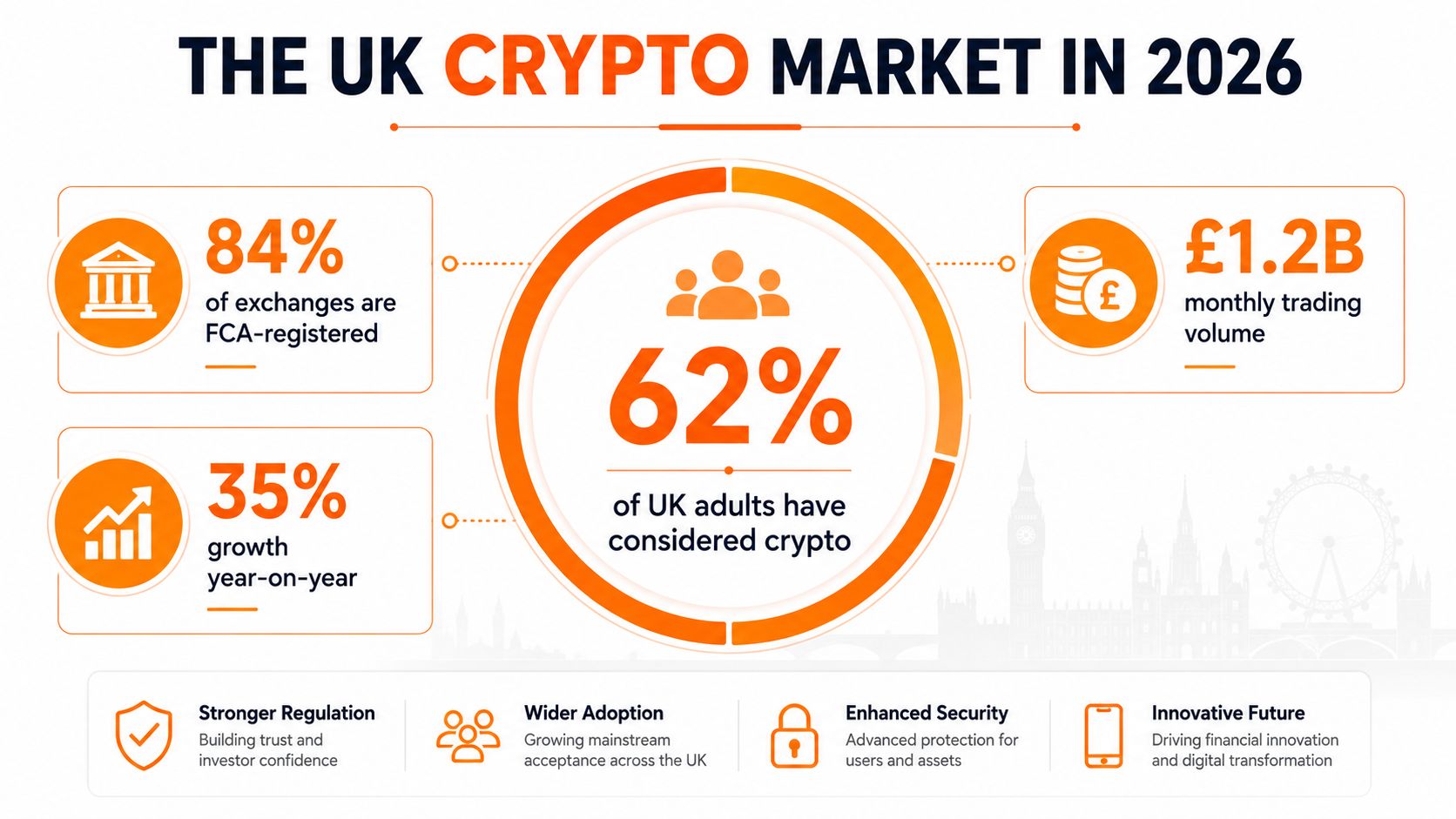
The main risk can appear before the first trade. The FCA issued 2,329 crypto-related alerts in 2025, including 1,528 linked to unauthorised crypto entities and promotions, according to its published information on crypto-related alerts. A fake advert, cloned website or unauthorised firm can take your money before market volatility becomes relevant.
Regulation now shapes the buying journey
The FCA's promotion rules have applied to crypto promotions in the UK since 8 October 2023. Promotions must be authorised or approved, display prominent risk warnings and avoid misleading incentives. Treat guaranteed returns, limited-time bonuses and “low-risk” products on social media as warning signs, not buying prompts.
The next regulatory change matters even more. FCA materials indicate that the new cryptoasset regime is expected to open for applications on 30 September 2026 and go live on 25 October 2027. Until those changes take effect, buyers must check a firm against the rules that apply now rather than assume a future authorisation will protect an earlier purchase.
The FCA's cryptoasset consumer research recorded average crypto holdings rising from £1,595 to £1,842. It also found that some buyers used savings, credit cards or overdrafts to fund purchases. Using borrowed money adds repayment pressure to an asset whose value can fall sharply.
Practical rule: Verify the promotion and the platform separately. A polished advert does not prove that the firm behind it is authorised or safe.
Participation also changes over time. FCA research estimated UK adult ownership at 8% in 2025, down from 12% in 2024, or about 4.5 million people, while 73% of cryptoasset users used a centralised exchange to buy or obtain crypto in 2025. The FCA's 2025 research note identifies centralised exchanges as the main entry point. They offer convenience, but they also control access to assets held on the platform, so verification and withdrawal planning should happen before the first deposit.
Choosing a Regulated Exchange and Setting Up Your Account
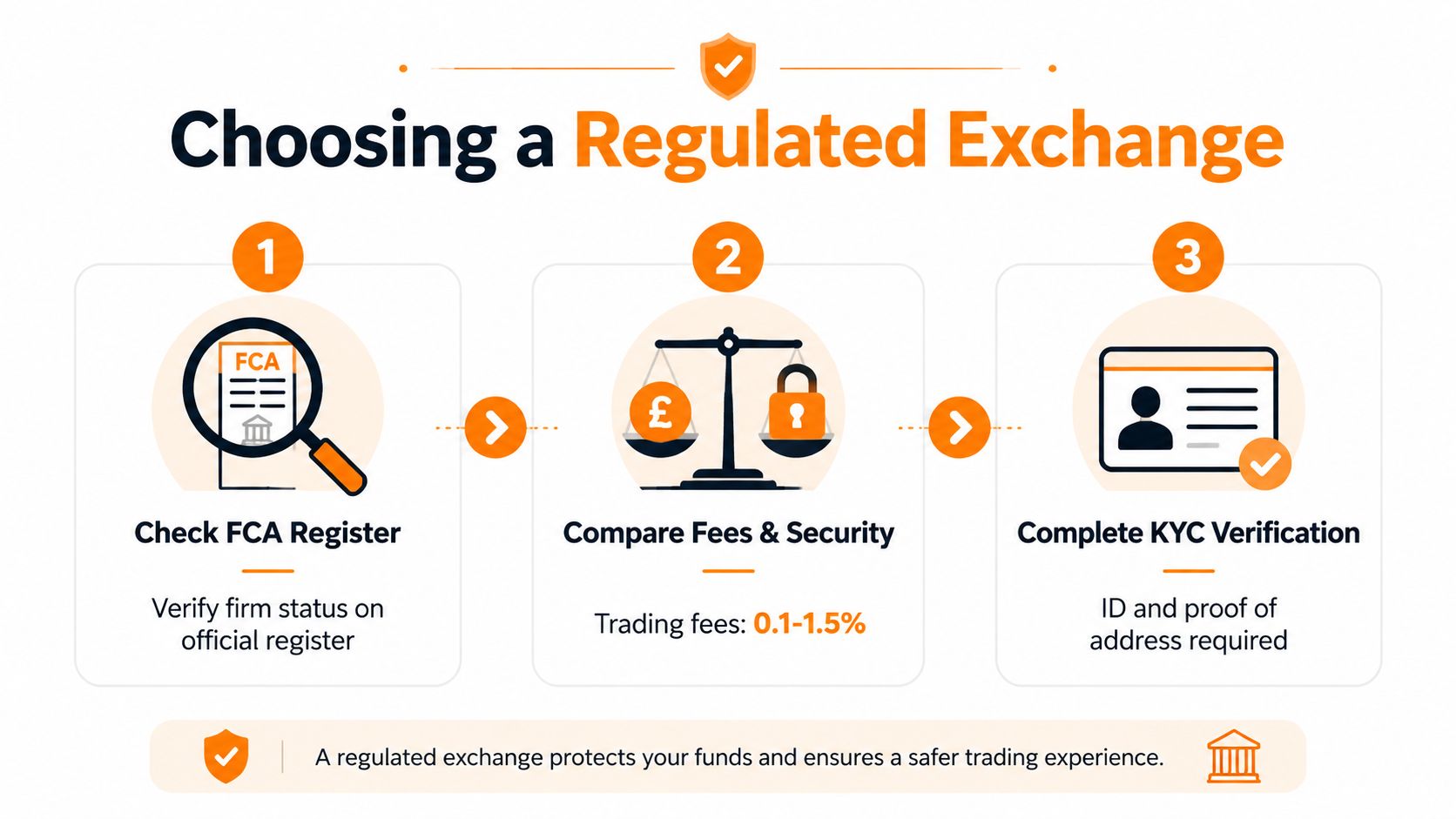
Start with the FCA, not with an advert. Search the firm's exact legal name on the FCA Financial Services Register, then compare the result with the website address, company details and app publisher. Scammers often copy a genuine firm's branding while sending users to a different domain.
Check the firm before creating an account
Use this sequence:
- Find the legal entity: Record the company name shown on the FCA register, not merely the trading brand.
- Match the details: Check that the website, contact details and services correspond with the register entry.
- Look for warnings: Search the FCA's warning list and don't assume that a missing warning equals approval.
- Ignore pressure: A countdown, referral reward or message promising personal trading help is a reason to pause.
- Use the official route: Type the firm's website into your browser or use the official app store listing. Don't follow a link sent by a stranger on Telegram, WhatsApp or social media.
Registration isn't the same as protection from price losses or platform failure. It does, however, give you a basic compliance checkpoint and helps separate a firm operating within the UK's current framework from an unauthorised operator.
Prepare for identity checks
A legitimate UK platform will normally ask for identity and compliance information before allowing trading or withdrawals. Have a valid identity document, proof of address and a phone with a working camera ready. You may need to upload a passport or driving licence, complete a selfie check and answer questions about your income, occupation or source of funds.
Answer those questions accurately. Don't route money through somebody else's bank account to make the process look easier, and don't alter a document to satisfy an automated check. A mismatch between your name, bank account and identity documents can delay funding or trigger a manual review.
Exchange comparisons should focus on custody, withdrawal controls, support quality and the assets available to UK users, not just the loudest headline fee. This guide to choosing a safe cryptocurrency exchange provides a useful second checklist, but you should still verify the current FCA position yourself.
Watch this walkthrough before you deposit money, particularly if you've never completed exchange verification:
Funding Your Account with GBP
For most UK buyers, a bank transfer remains the best starting point. It creates a clear payment trail, usually costs less than card funding and avoids borrowing. Depending on the exchange, you may also see debit cards and open banking connections.
| Method | Typical Fee | Processing Time | Risk Level |
|---|---|---|---|
| Bank transfer via Faster Payments | Check the platform's current schedule | Often quick, subject to bank and platform checks | Lower when using your own account |
| Debit card | Check before confirming | Often quick, subject to card checks | Medium |
| Open banking | Check the provider's terms | Often quick, subject to verification | Medium |
| Credit card or overdraft | Check the card issuer and platform | Often quick, but repayment remains due | High |
Use a bank transfer for a planned purchase. If the exchange provides a unique reference or beneficiary instruction, send a small amount first. Confirm that it has arrived before transferring more. The bank account name should match the verified exchange account. A mismatch can delay the deposit or trigger another review.
Treat any request to send money to a private wallet as a scam signal. A genuine support agent will not ask you to bypass the exchange's normal deposit process because your account is supposedly frozen.
Choose speed without borrowing
Debit cards and open banking can help when timing matters, but fast funding can cost more. Check the deposit fee, quoted spread, withdrawal restrictions and daily limits before confirming. A platform may advertise low trading fees while applying a separate charge to your chosen funding method.
Recurring buys can organise regular purchases if the exchange offers them. Set an amount you can afford, choose a schedule and review the instruction regularly. Automation does not protect you from a failing platform, a changed financial position or a decision to stop buying.
Credit cards and overdrafts require a firm warning. FCA research found that 14% of users bought crypto using a credit card or overdraft in 2024, up from 6% in 2022, according to the FCA's 2024 consumer research release. Borrowing turns a volatile purchase into a fixed repayment obligation. If the asset falls, the debt remains.
My recommendation: Fund crypto with money already available in your own bank account. If you need credit to buy it, do not make the purchase.
Executing Your First Buy and Withdrawing to a Wallet
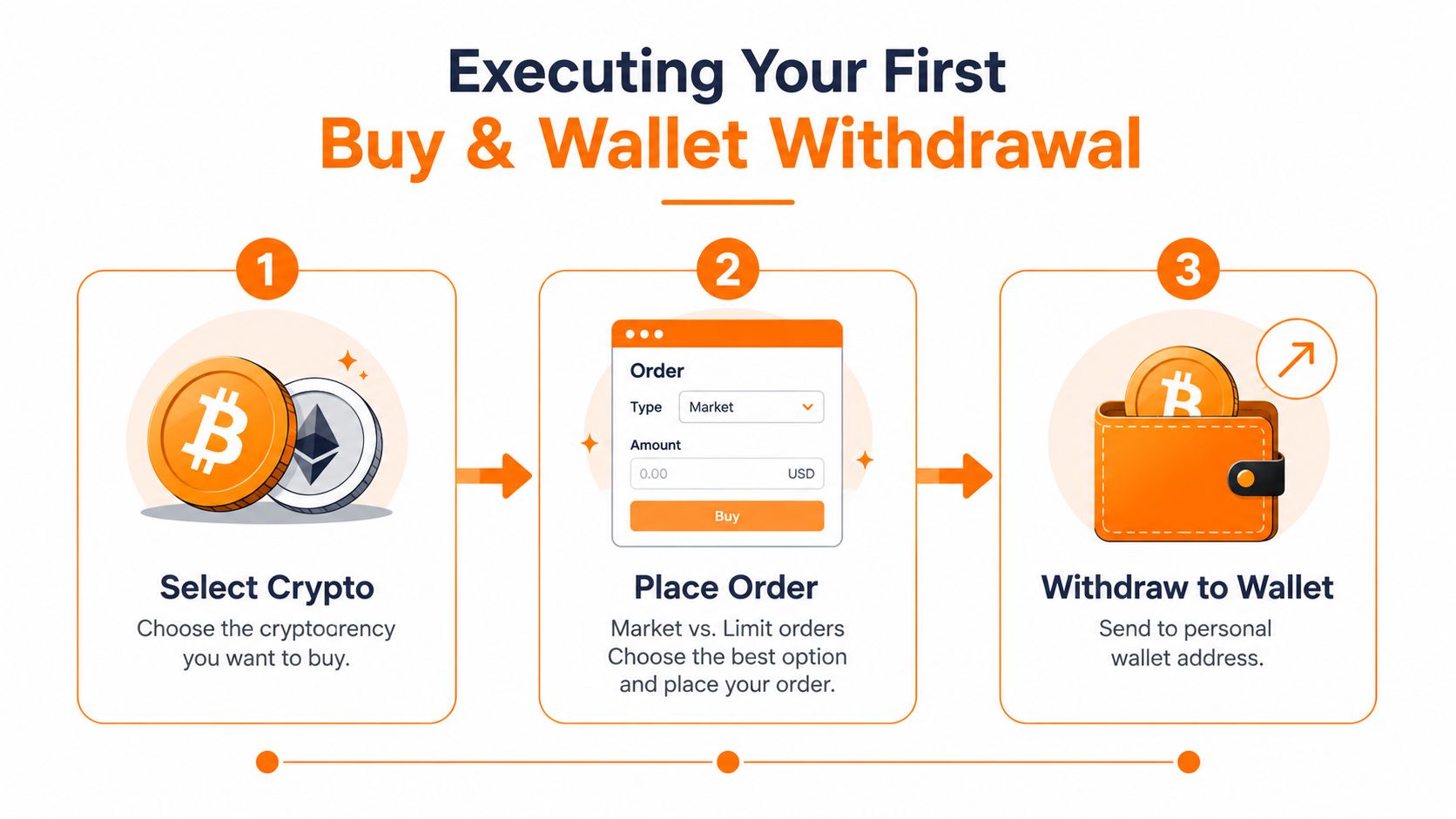
Your first trade should be deliberately boring. Select the asset, check the quoted price and fees, place a small order, then confirm that the balance appears correctly. Don't begin by chasing obscure tokens or copying a trade posted by an anonymous influencer.
Pick the right order type
A market order buys at the best available prices in the order book. It's straightforward, but the final price can move, especially for a thinly traded asset. A limit order lets you set the maximum price you're willing to pay, although it may not execute if the market never reaches that level.
The order book shows existing buy and sell interest. You don't need to master professional trading software for a first purchase, but you should understand the difference between the displayed price and the price you receive. Review the total GBP cost, the crypto amount and the platform fee before pressing confirm.
Keep the first transaction small enough that an address or network mistake won't cause serious damage. After the purchase, save the trade confirmation and export the platform record if that option exists.
Move funds with care
An exchange account gives you exposure to crypto, but the exchange controls the account and withdrawal process. A personal wallet gives you control of the private keys, which also means you carry responsibility for backups, device security and recovery.
Create a wallet from a reputable provider, write the recovery phrase offline and never photograph or email it. Copy the receiving address directly from the wallet, check the first and last characters, and make sure the selected network matches the exchange withdrawal network. Sending an asset over the wrong network can make recovery difficult or impossible.
Send a small test amount first, then confirm that it has arrived before making a larger withdrawal. Network fees vary, so check the final amount received rather than assuming the exchange's displayed withdrawal figure is the only cost. This guide to transferring crypto from an exchange to a personal wallet covers the address and network checks in more detail.
Build your tax record at the buy point
HMRC allows the original sterling purchase price, transaction fees and certain professional costs to be considered when calculating gains. Record the GBP value, timestamp, asset, quantity, exchange, transaction ID and fees for every purchase and withdrawal. The record will be far easier to create immediately than after months of trading.
Understanding UK Crypto Tax and Upcoming Regulation
Buying crypto with GBP is usually not the taxable event. HMRC treats cryptoassets as property, and tax generally becomes relevant when you sell, swap, spend or gift them. The GOV.UK cryptoassets collection says buyers must check whether Capital Gains Tax applies when cryptoassets are sold.
A token-to-token swap can create a disposal even when no pounds reach your bank account. Spending crypto on goods or services may also count. Keep records across every wallet and exchange, including transfers between your own accounts, rather than tracking deposits and withdrawals alone.
Know the allowance and tax year
The Capital Gains Tax annual exempt amount is £3,000 for 2026/27, covering chargeable assets rather than crypto alone, according to UK crypto tax guidance for 2026/27. The UK tax year runs from 6 April to 5 April. Organise records around that period, because an exchange's calendar-year report may not match HMRC's requirements.
If gains exceed your available allowance, tax may be due. Pooling rules and special rules for repeated purchases make the calculation more involved than subtracting one purchase price from one sale price. Frequent trading, staking, mining, lending and business transactions need particular care. Use complete records and obtain professional advice where the activity is complex.
HMRC's focus is already visible in its crypto tax warnings sent to UK taxpayers. Treat record-keeping as part of buying crypto, not an administrative job to postpone.
Expect more platform reporting and authorisation
The Crypto-Asset Reporting Framework is expected to require platforms to collect and report user transaction data directly to HMRC from 2026, according to this UK crypto regulation update. Keep your own records consistent with platform statements, and check that an exchange is authorised rather than relying on its branding or availability in the UK.
The FSMA (Cryptoassets) Regulations 2026 were enacted on 4 February 2026. FCA materials state that applications for the new regime are expected to open on 30 September 2026, with the regime expected to go live on 25 October 2027. Check the FCA's cryptoasset-firm updates as the timetable develops. A platform available today may face different authorisation requirements later, so keep withdrawal access and alternative providers in mind.
Security Practices and Key Takeaways
Security starts before the first deposit. Use a unique password generated by a password manager, enable two-factor authentication through an authenticator app rather than SMS where available, and set withdrawal protections on the exchange. Keep your email account secure because control of that inbox can help an attacker reset other accounts.
Phishing messages often create urgency. A fake exchange email might say your account will close unless you verify immediately, while a fake support agent may ask for your password, two-factor code or recovery phrase. No legitimate support team needs your seed phrase. Delete the message and open the platform through a saved official address instead.
Protect the wallet, not just the account
A self-custody wallet transfers responsibility to you. Write the seed phrase on paper or another suitable offline medium, store it privately and never place it in cloud notes, screenshots or messages. Anyone with the phrase can usually control the wallet, and losing it can mean losing access.
Use a separate browser profile or device for sensitive wallet activity if your setup allows it. Review every transaction before signing, especially when a decentralised application asks for token approvals or account permissions. Revoke permissions you no longer need through a reputable wallet management tool, but don't connect your wallet to an unknown site just to “check” its safety.
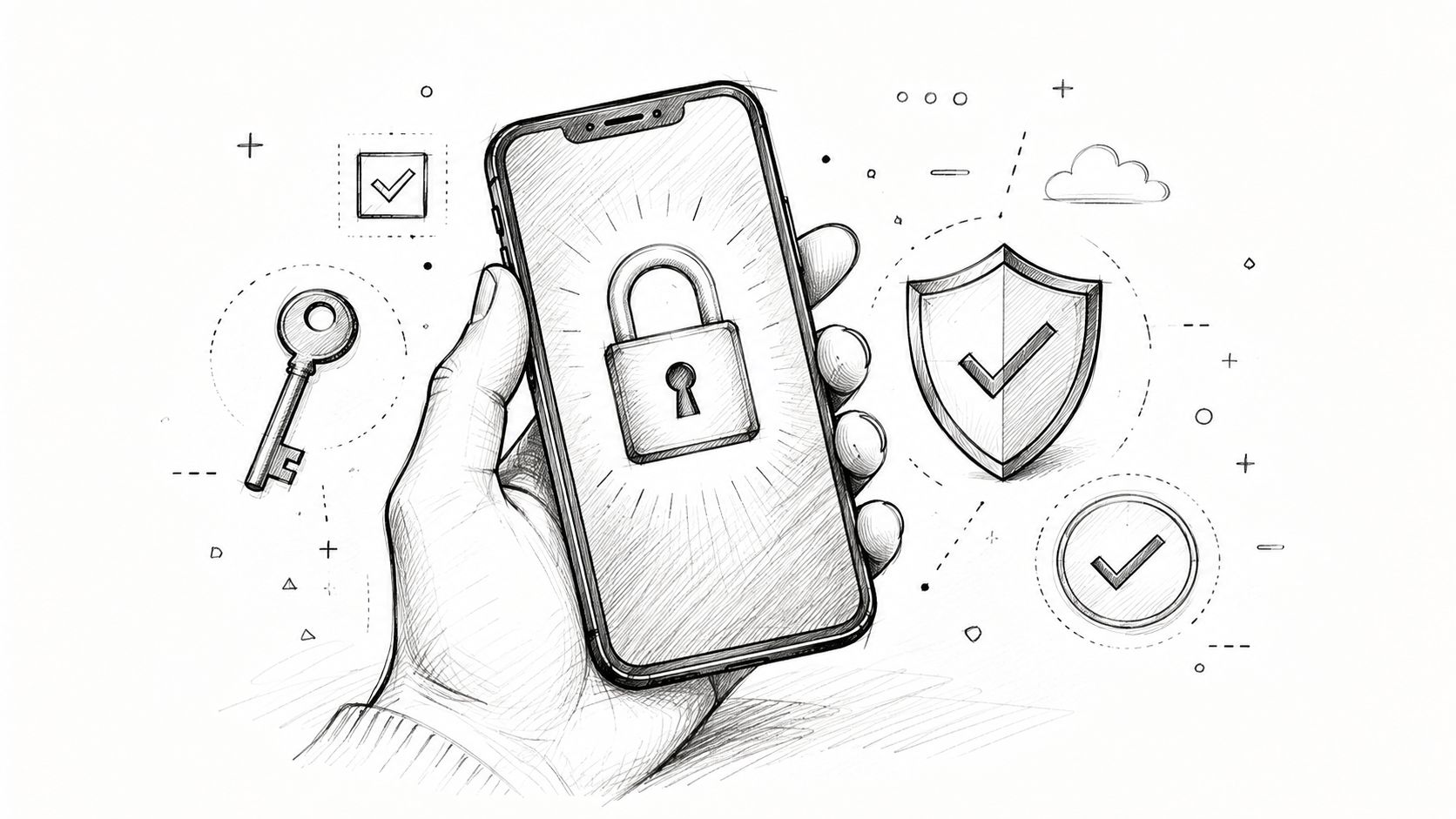
Use this buying checklist
- Verify the firm: Check the exact legal entity on the FCA Register and compare it with the website you're using.
- Review the promotion: Reject guaranteed returns, pressure tactics and incentives that hide the risk warning.
- Complete KYC: Use your own identity, bank account and source-of-funds information.
- Fund with available GBP: Prefer money you already have, not a credit card or overdraft.
- Test the process: Make a small purchase and, if withdrawing, send a small test amount first.
- Check the network: Match the asset and network before confirming a wallet withdrawal.
- Protect access: Use an authenticator app, a unique password and an offline seed phrase.
- Keep records: Save the GBP value, timestamp, fees, transaction ID and disposal details for HMRC.
Buying crypto in the UK safely is less about finding the fastest exchange and more about building a process that still works when an advert disappears, a platform changes its rules or HMRC asks how you calculated a gain. Verify first, borrow never, withdraw carefully and keep evidence of every transaction.
The Coin Course offers practical education on crypto fundamentals, wallets, security, trading and UK-focused market developments, helping you make decisions with a clearer grasp of the risks. Visit The Coin Course to build your knowledge before your next crypto purchase and learn how to protect the assets you control.